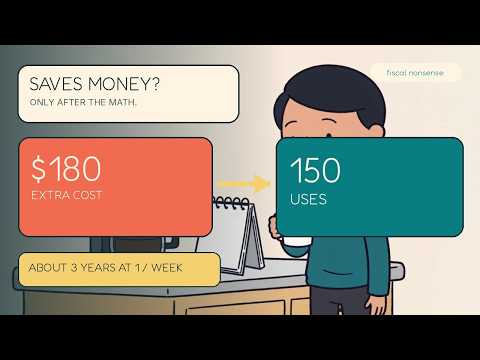
This “Money-Saving” Purchase Takes 3 Years to Save Money
A lower price only saves money when the real saving per use repays the extra upfront cost. See a fictional purchase take nearly three years to break even.
 fiscal
Learn budgeting, saving, borrowing and investing through short stories, worked examples and questionable decisions from the Fiscal Nonsense cast.
A lower price only saves money when the real saving per use repays the extra upfront cost. See a fictional purchase take nearly three years to break even.
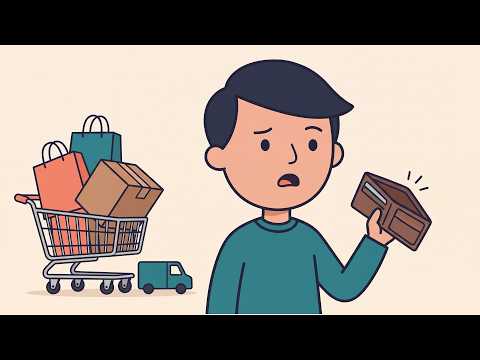
Free shipping and sale discounts can make spending feel like saving. Learn to compare the final bill, bulk deals and stacked discounts.

Why do discounts make spending feel like saving? This cartoon explains price anchoring and a three-question check before your next sale purchase.
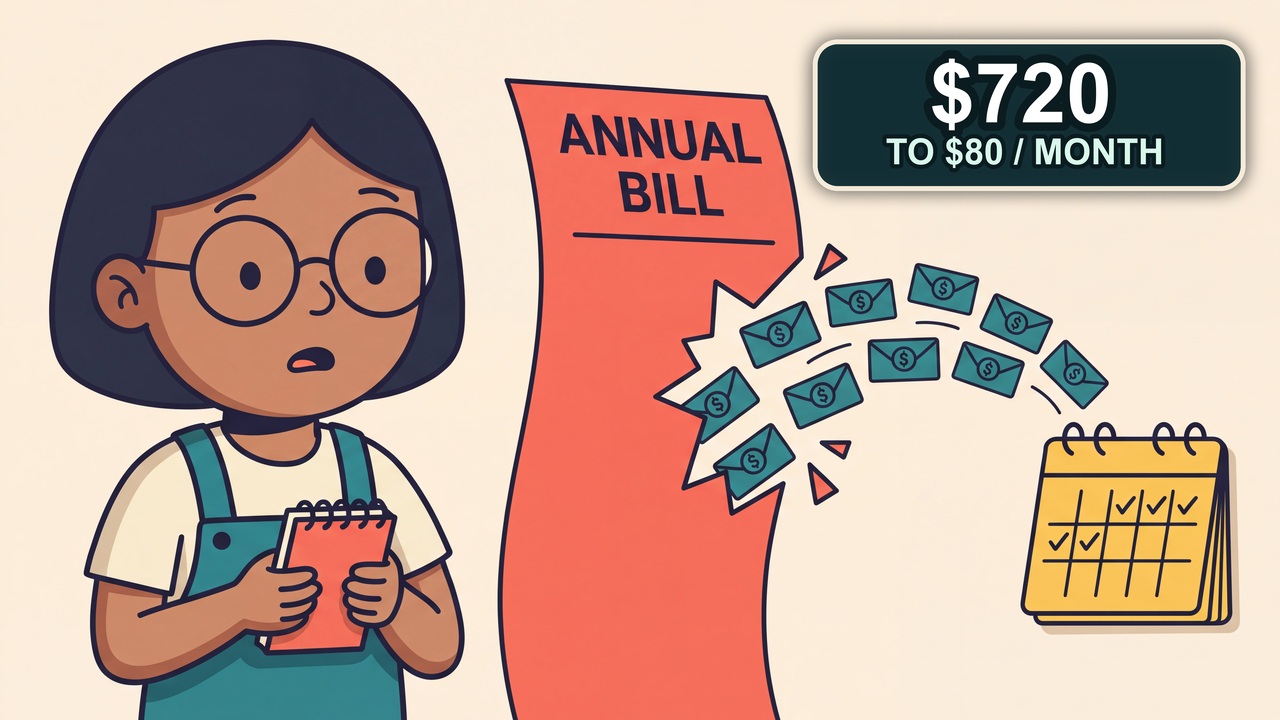
Turn a known annual bill into a monthly set-aside: subtract what is already reserved, divide the rest by the months left, and recalculate when the plan changes.
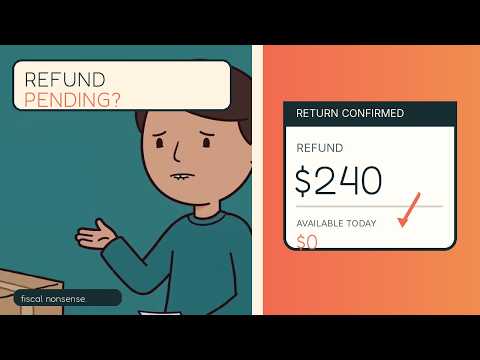
A return can lower a card balance, arrive as cash, or become store credit. Until it has cleared in the account that receives it, it cannot fund another plan.

A lower price per kilo can cost more for the food you actually use. Compare a bag with loose produce, find the break-even amount, and count extra trip costs.
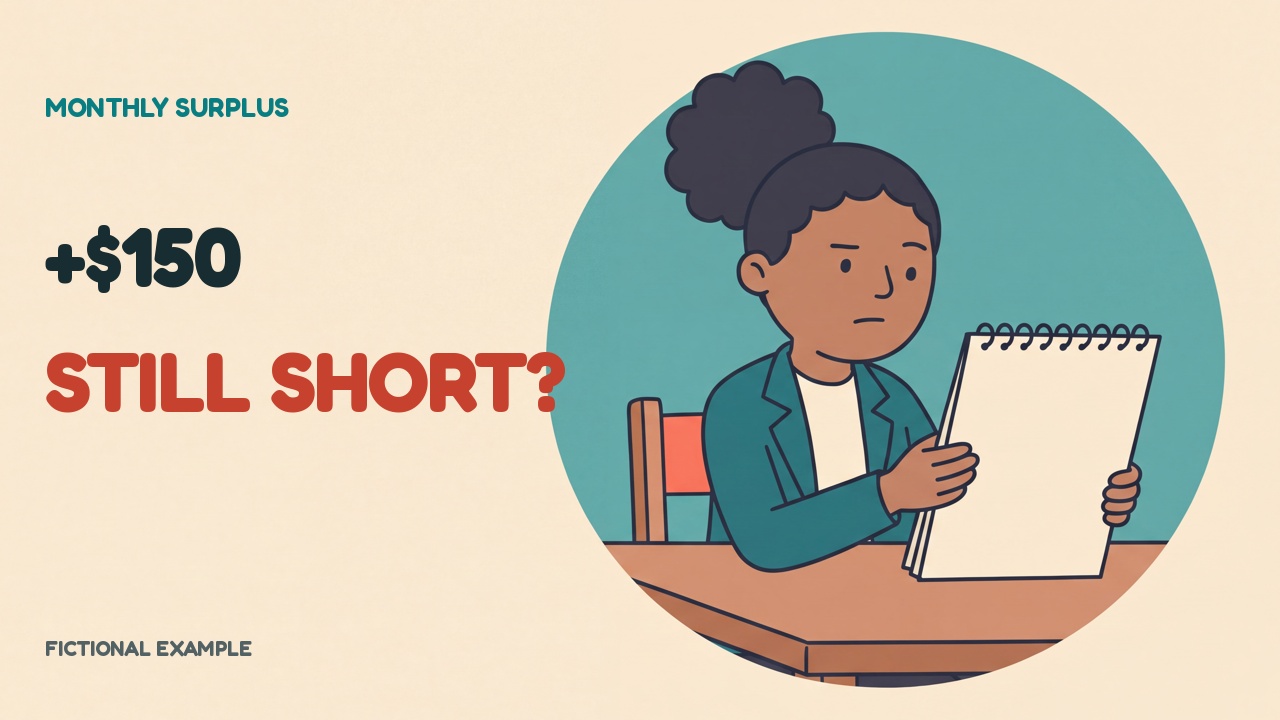
A 150 monthly surplus hides a 250 shortfall before payday. Follow Nina’s dates and compare an agreed date change with an existing cash buffer.
Learn how to start an emergency fund, distinguish emergencies from planned expenses, set a first savings milestone and rebuild after a withdrawal.

Compare five budgeting methods: zero-based budgeting, pay yourself first, 50/30/20, cash-flow budgeting and cash stuffing, with practical examples.
Lifestyle inflation explained: see how small monthly upgrades swallow a pay raise, then build a plan for spending, savings and breathing room.

Compare job offers using take-home pay, extra work costs and extra time, so a bigger salary does not hide the trade you are making.

A headline savings rate can hide an expiry date. Compare bonus rates over the same holding period, and see why needing the money sooner can reverse the result.
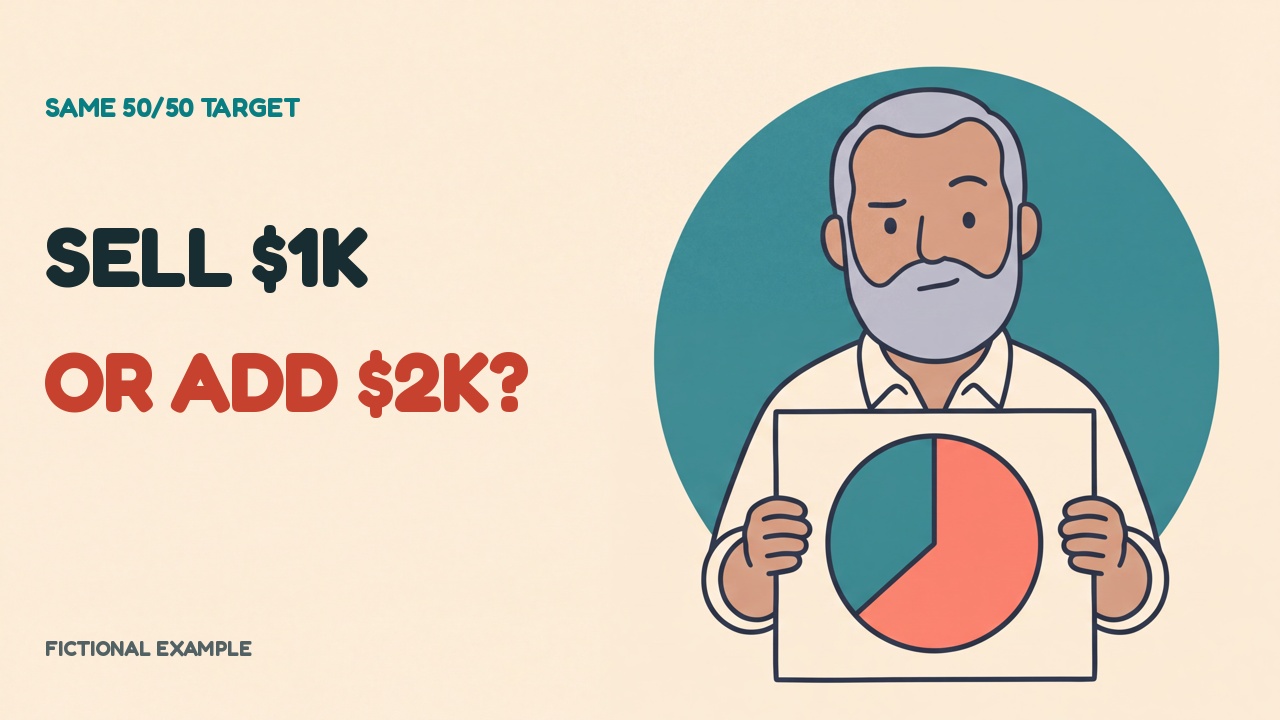
The same fictional 50/50 target needs either a 1,000 transfer or 2,000 of new money. See why the totals differ and what a smaller contribution achieves.
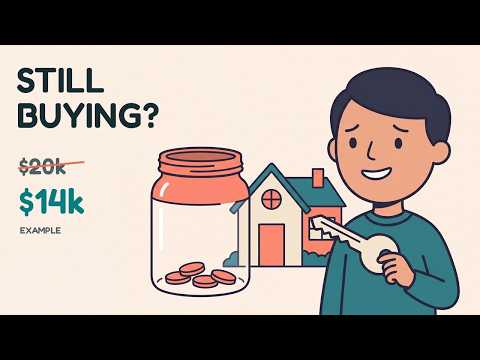
A fictional $6,000 deposit shortfall creates three choices: save more, wait longer or lower the target. Test how a deadline changes the risk you can afford.
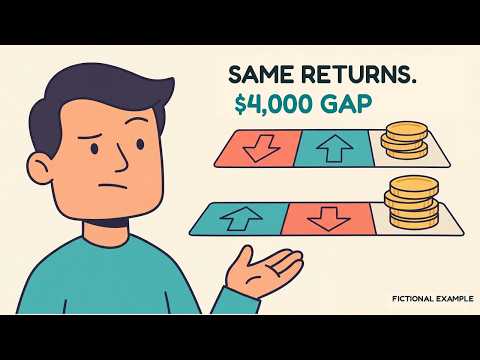
Reverse two yearly returns and keep the withdrawals equal: one retirement example ends $4,000 lower. See why the order matters.

Learn to read an ETF factsheet, calculate fees and investigate concentration, duplicated holdings and currency effects. Includes a completely free workbook and three browser calculators.
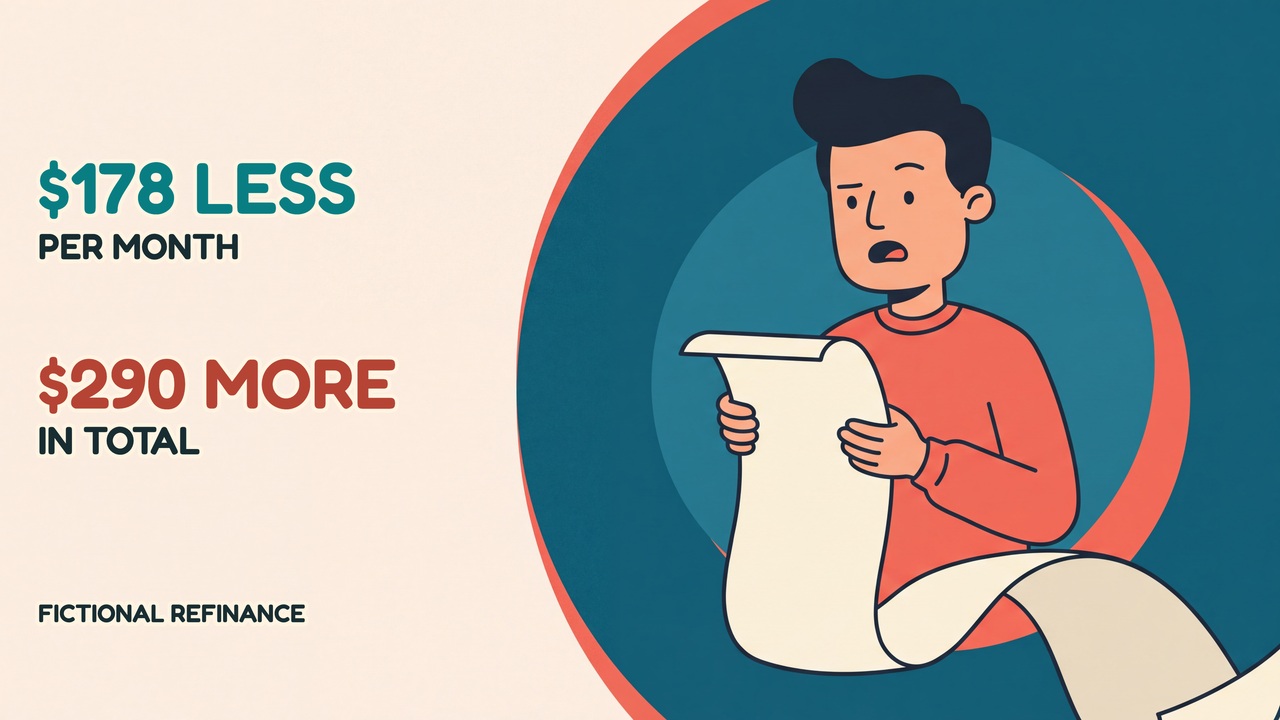
Compare monthly payment, total future cost and the debt-free date before refinancing. A worked example shows why a lower rate and payment can still cost more.

Rent vs buying a home: compare mortgage interest, rent, maintenance, transaction costs and flexibility with a worked example.

Car leasing explained: compare upfront payments, monthly costs, mileage limits, wear charges and early exit before weighing leasing against buying.

Mortgages explained for beginners: principal, interest, equity, repayment periods and the housing costs beyond your monthly loan payment.

Buy now pay later explained: see how overlapping instalments crowd your payday budget, and check the full price, repayment calendar and fees.
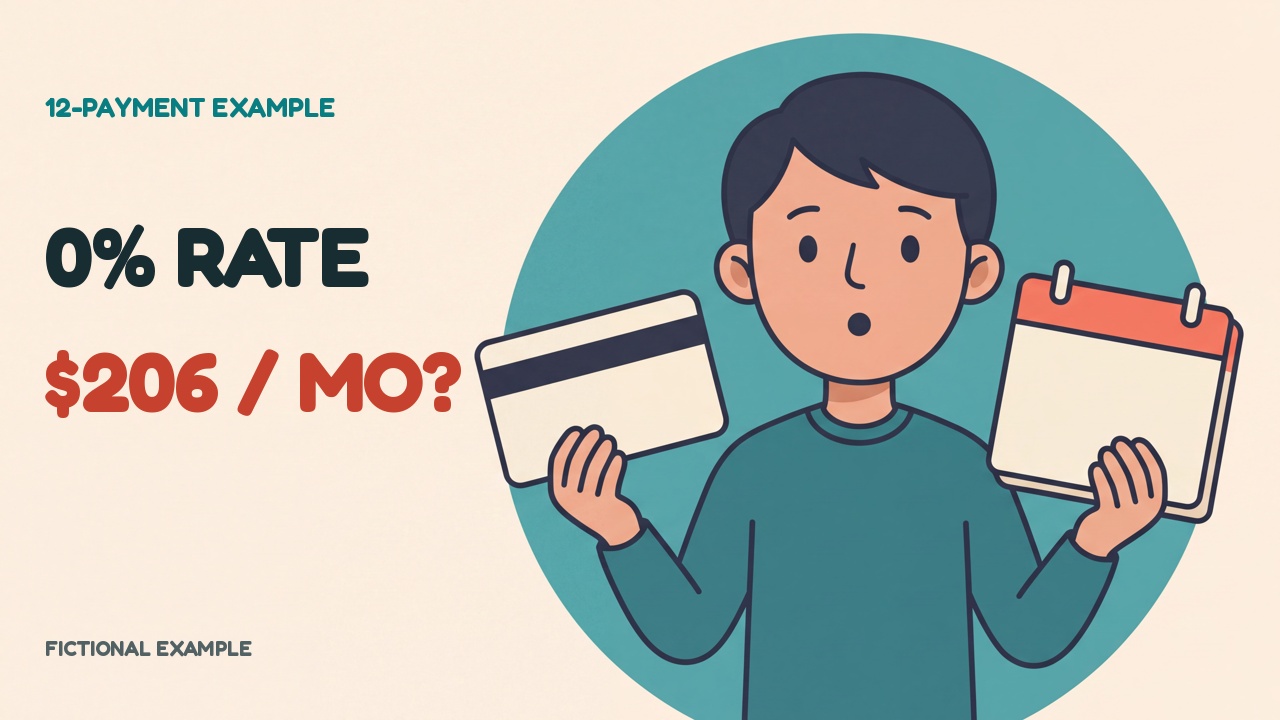
A fictional 0% transfer still needs a fee and a repayment plan. Compare 150 with 206 per month and find the balance left at the deadline.
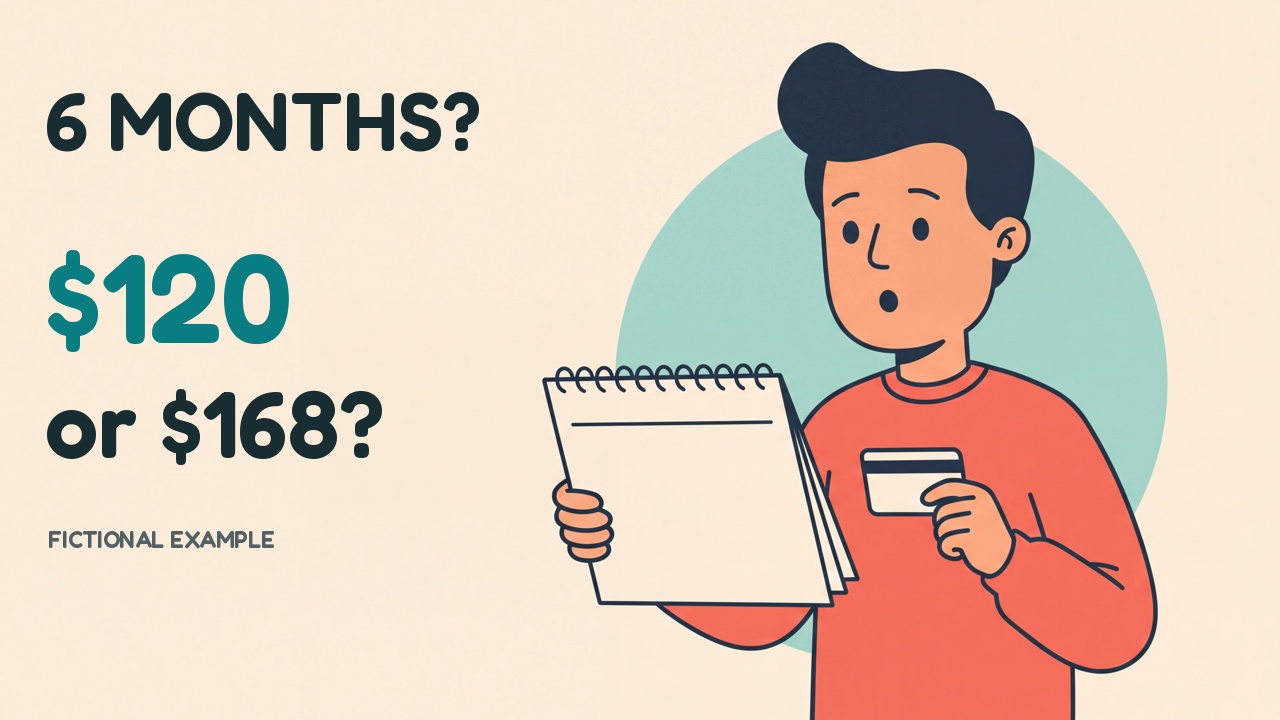
Compare six monthly payments with an annual subscription, find the ninth-month crossover, and test the commitment before the discount.
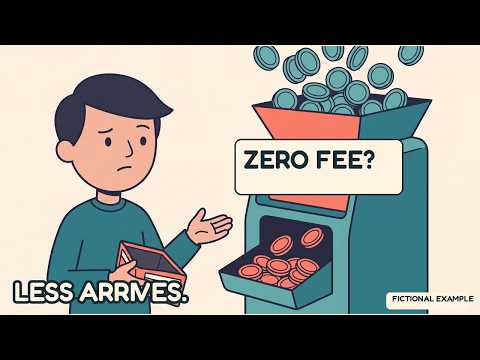
Compare two transfer quotes using the same total sending budget, then check what actually arrives after rates and deductions.
How do tax brackets work? A higher marginal rate does not automatically apply to every dollar in a progressive bracket system. Our cartoon cast explains marginal versus average tax rates using three clearly fictional…
Market orders, limit orders and stop orders make different trade-offs. Learn why a quoted share price can differ from your execution price, how partial fills work, and why a stop price is not a guaranteed exit.
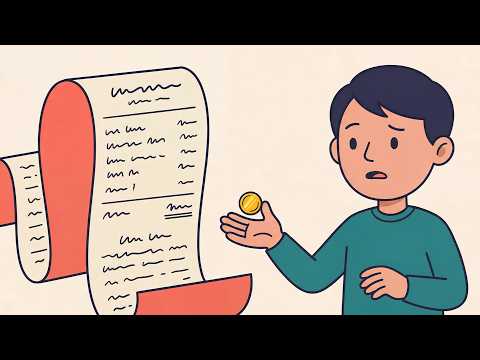
Learn how statement balance, current balance, minimum payment and due date differ. Check grace-period conditions and payment settings, then follow a clearly labeled toy example showing why payment and debt reduction…
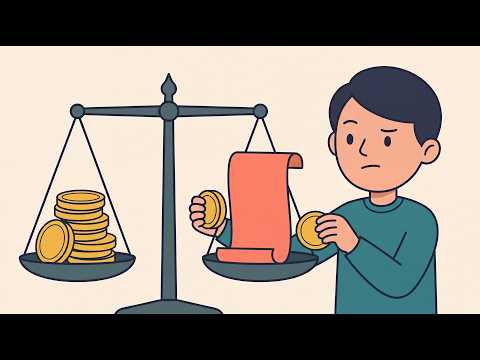
Build a net-worth statement using realistic asset values, outstanding debts and access notes. See why paying $1,000 of principal from existing cash leaves immediate net worth unchanged in our simplified example.

Five decisions for a one-time payment: confirm the usable amount, slow down optional commitments, price your priorities, check recurring costs and write an action plan.

Compare equal-dollar and proportional bill splits using a fictional household. Then consider personal obligations, unpaid care, payment responsibilities and how to review the agreement.
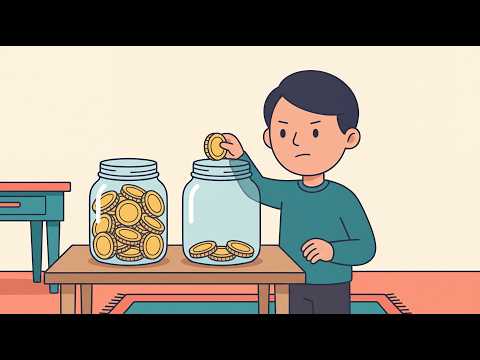
When your income changes each month, both timing and totals matter. Follow a fictional reserve across two months, map payment dates and separate planned bills from unexpected shocks.

Zero commission does not mean zero total cost. Compare flat subscriptions, percentage fees, fund expenses and the services you actually need.

Learn a three-step routine for financial scams: stop the pressure, verify through independent trusted contact details, and decide before sending money.

Compare insurance quotes beyond the premium: deductibles or excesses, coverage limits, exclusions and the cash you might need when claiming.
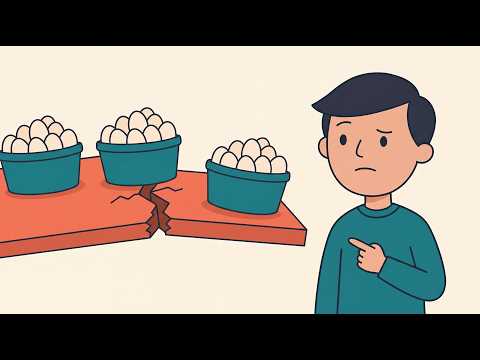
Diversification explained for beginners: asset allocation, overlapping funds, portfolio risk and rebalancing. Learn why owning more investments does not always spread your risk.
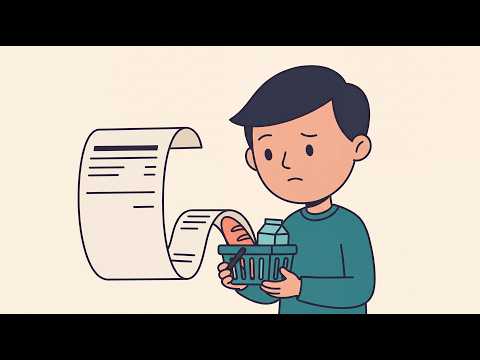
Inflation explained with simple examples: purchasing power, disinflation, shrinkflation and real income. Learn why slower inflation does not mean prices are falling.

Should you pay off debt or invest? Compare borrowing costs, investment risk, emergency savings and the debt avalanche and snowball methods.

Explore five types of FIRE: traditional, Lean, Fat, Coast and Barista. Learn how spending, work and withdrawal assumptions change the plan.

Learn how compound interest and investment compounding work, with practical do’s and don’ts on contributions, reinvesting, fees and risk.
Investigate holdings, fees and currency effects with three interactive labs and a free workbook.