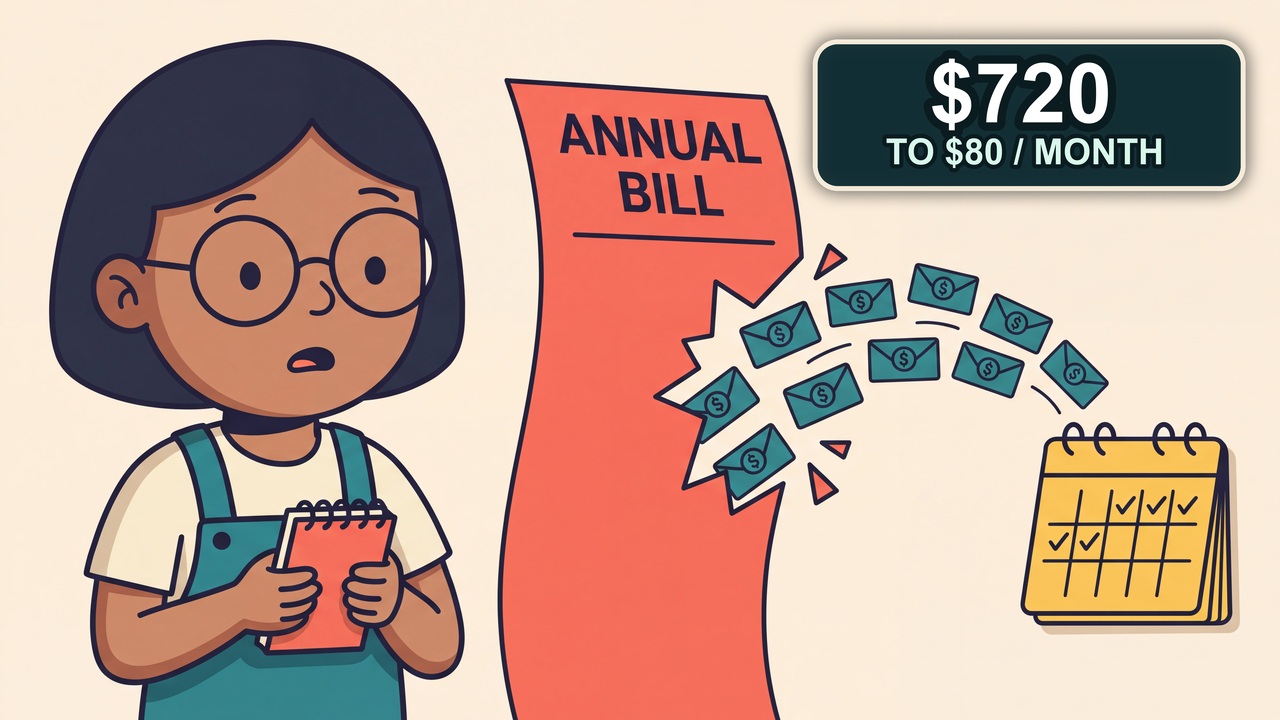
Annual Bills Are a Monthly Problem (Here’s the Fix)
Turn a known annual bill into a monthly set-aside: subtract what is already reserved, divide the rest by the months left, and recalculate when the plan changes.
 fiscal
Finance videos / Budgeting & saving
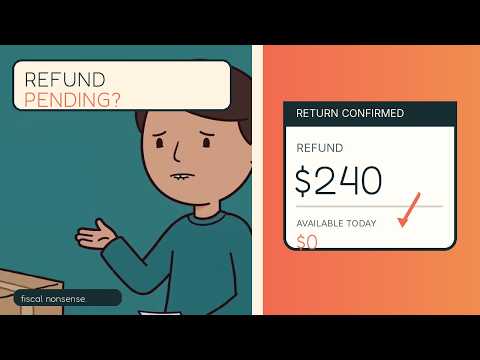
A return can lower a card balance, arrive as cash, or become store credit. Until it has cleared in the account that receives it, it cannot fund another plan.
Video in English
Loading this player sends connection and viewing data to Google/YouTube, which may use cookies or similar technologies. The rest of this page works without it.
Privacy detailsA refund can reduce a card balance, arrive as bank cash, or become store credit. Until it clears in the account that receives it, it has not funded a new purchase.
Try the free Bill Calendar calculator: https://fiscalnonsense.com/calculators/bill-calendar/
Use it to plan cleared cash and dated bills. It is not a refund tracker, so leave uncertain credits out until they post.
QUESTION: When money is pending, do you label it “not yet,” or remove it from the budget until it arrives? Share the rule, not your balance.
This fictional example is general education, not personal financial, legal, tax, or consumer-protection advice. Refund processes, timelines, and protections vary by merchant, payment method, provider, and country.
CHAPTERS 00:00 A return is not cash yet 00:27 Where refunds actually land 00:55 The $500 card example 01:28 One credit, not two uses 01:53 Requested, confirmed, cleared 02:35 Give cleared money one job 02:57 The Friday timing check 03:35 The four-part refund check 04:08 Plan cleared cash and bills 04:26 Your rule for pending money
#PersonalFinance #Budgeting #CreditCards #FiscalNonsense
Turn a known annual bill into a monthly set-aside: subtract what is already reserved, divide the rest by the months left, and recalculate when the plan changes.

A lower price per kilo can cost more for the food you actually use. Compare a bag with loose produce, find the break-even amount, and count extra trip costs.
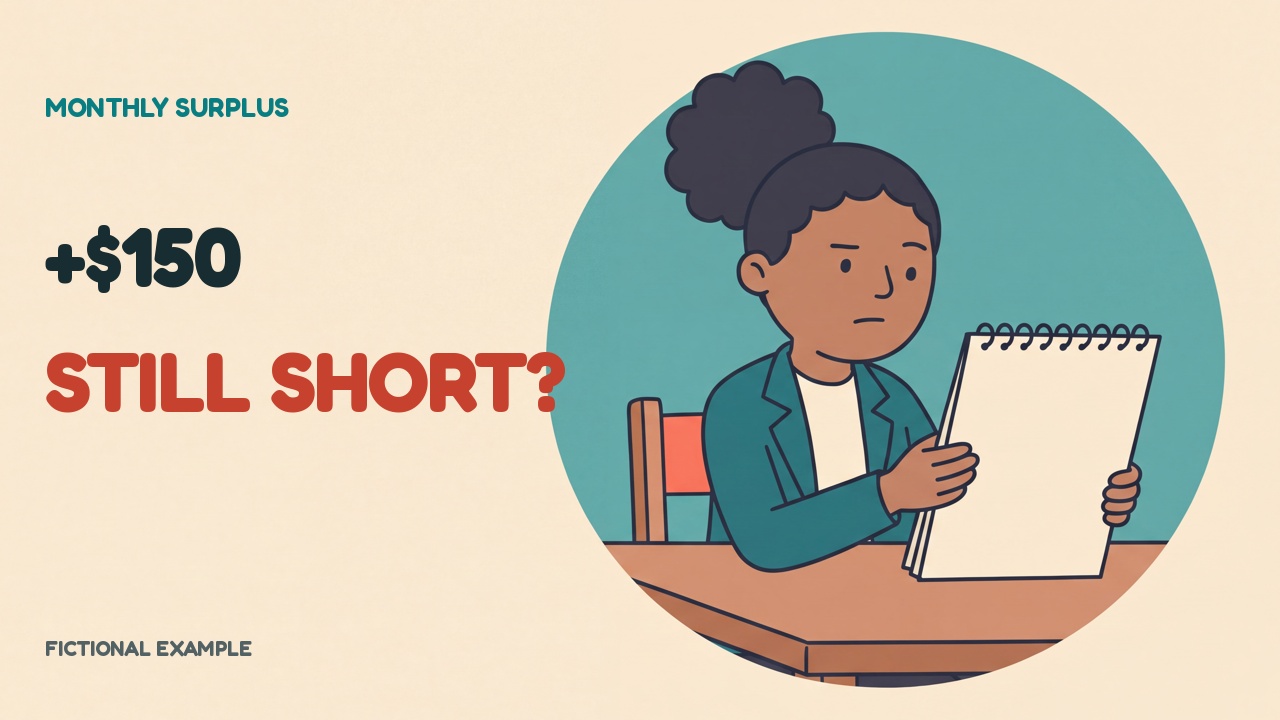
A 150 monthly surplus hides a 250 shortfall before payday. Follow Nina’s dates and compare an agreed date change with an existing cash buffer.