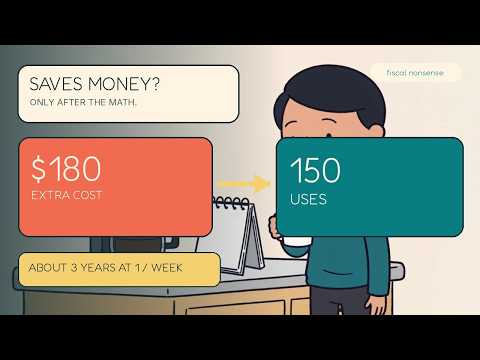
This “Money-Saving” Purchase Takes 3 Years to Save Money
A lower price only saves money when the real saving per use repays the extra upfront cost. See a fictional purchase take nearly three years to break even.
 fiscal
Finance videos / Work & income
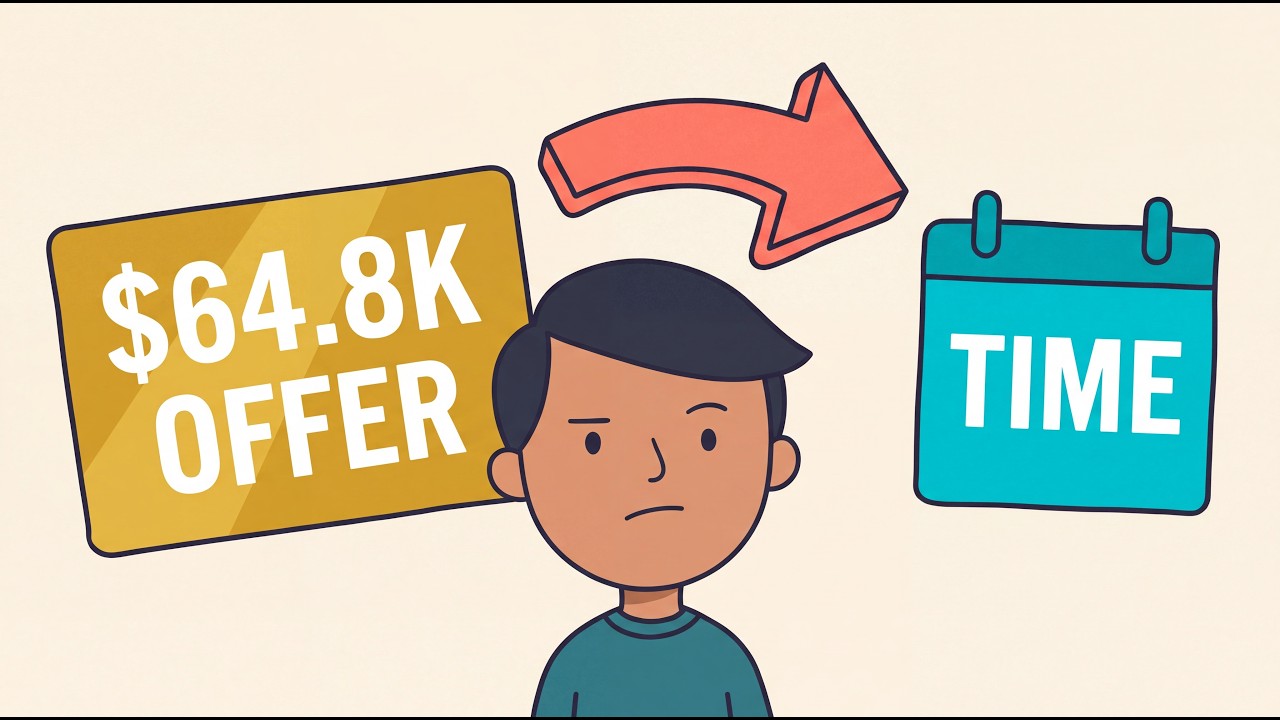
Compare job offers using take-home pay, extra work costs and extra time, so a bigger salary does not hide the trade you are making.
Video in English
Loading this player sends connection and viewing data to Google/YouTube, which may use cookies or similar technologies. The rest of this page works without it.
Privacy detailsThe higher salary is not automatically the better offer.
In this fictional job-offer example, Alex compares more take-home pay with commuting, lunches, work costs and extra time. The question is not just “which salary is bigger?” It is: what does the job ask you to give up, and is that trade worth it for you?
Try the free Job Offer Comparison Calculator: https://fiscalnonsense.com/calculators/job-offer/
The calculator compares entered take-home pay, extra job costs and extra time. It does not estimate taxes, benefits, employment-law rights or career prospects, and it cannot choose a job for you. Use your own local terms and figures.
CHAPTERS 00:00 The bigger offer 00:25 Compare the whole week 00:45 The costs behind the offer 01:35 The time behind the offer 02:20 The cash-per-extra-hour check 03:20 Cash, time, future 04:05 Make the whole-receipt decision
Which changes your answer most when comparing two roles: cash, time, or future?
Fictional amounts are for education, not personal financial, tax, legal, or employment advice.
A lower price only saves money when the real saving per use repays the extra upfront cost. See a fictional purchase take nearly three years to break even.
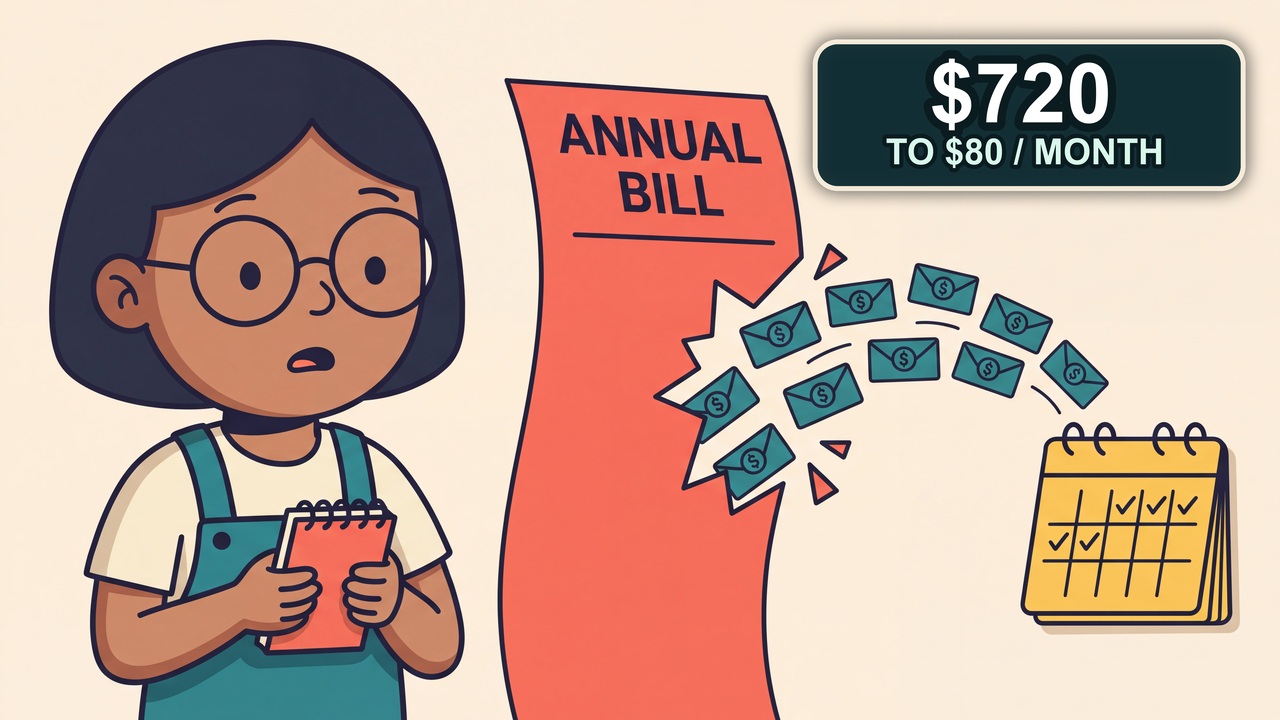
Turn a known annual bill into a monthly set-aside: subtract what is already reserved, divide the rest by the months left, and recalculate when the plan changes.
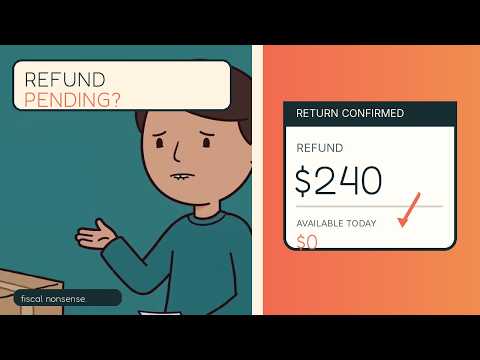
A return can lower a card balance, arrive as cash, or become store credit. Until it has cleared in the account that receives it, it cannot fund another plan.