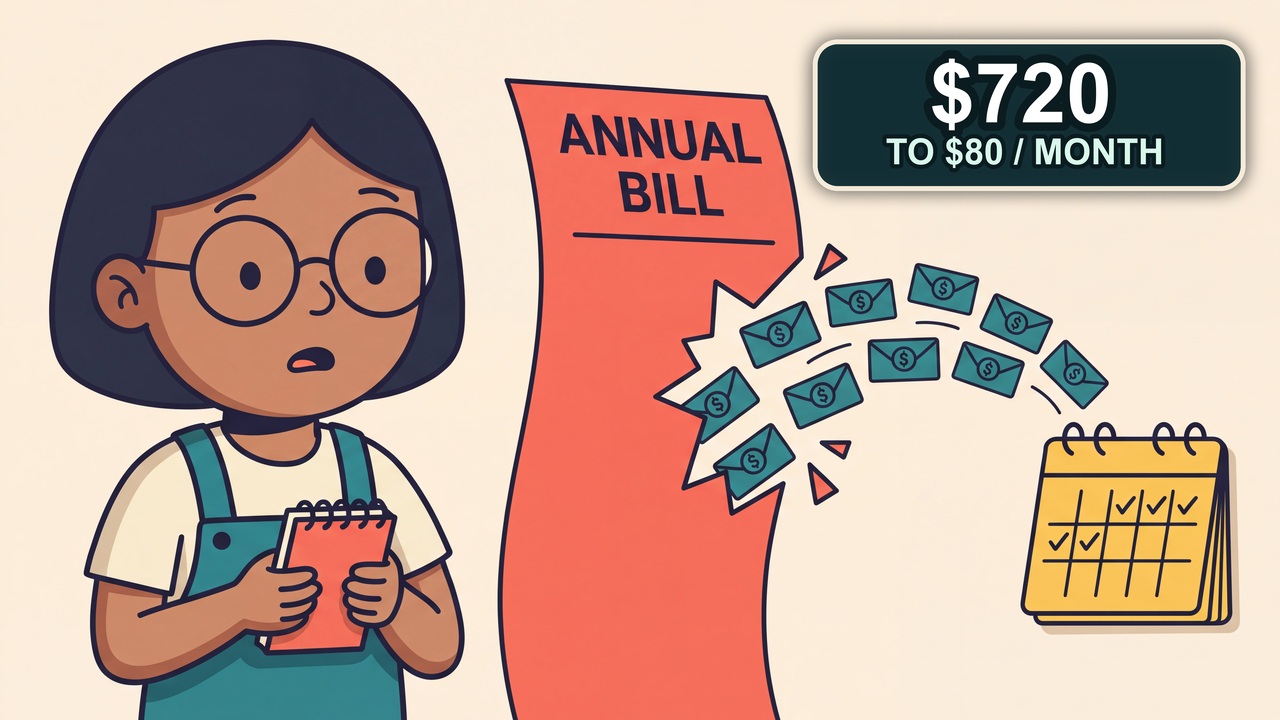
Annual Bills Are a Monthly Problem (Here’s the Fix)
Turn a known annual bill into a monthly set-aside: subtract what is already reserved, divide the rest by the months left, and recalculate when the plan changes.
 fiscal
Finance videos / Budgeting & saving
Lifestyle inflation explained: see how small monthly upgrades swallow a pay raise, then build a plan for spending, savings and breathing room.
Video in English
Loading this player sends connection and viewing data to Google/YouTube, which may use cookies or similar technologies. The rest of this page works without it.
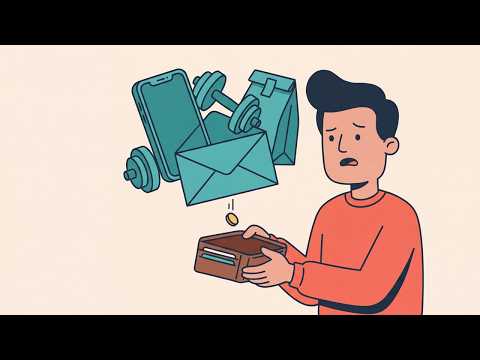
Privacy detailsLeo finally gets a raise. Then his phone, gym membership, food deliveries and social calendar get one too.
In this Fiscal Nonsense cartoon, Leo and Alex discover how lifestyle inflation can swallow a pay rise—and how to keep the improvements that actually matter.
The lesson: compare all additional monthly costs with your extra take-home pay, decide what you value, and give savings a place in the plan.
Leo’s example: $250 extra take-home pay, $275 extra monthly spending, and $25 less left over. His revised plan: $120 for improvements, $100 for savings and $30 of breathing room.
Featuring Leo and Alex. Original fictional characters; AI-generated animation and voices. All figures are illustrative. General financial education.
Which small upgrade would you keep—and which would you cancel?
Chapters: 00:00 Fiscal Nonsense intro 00:03 The raise 00:22 The phone upgrade 00:39 Financial fitness 00:57 Convenience 01:11 Only twenty 01:37 Where did it go? 01:48 The calculation 02:07 Lifestyle inflation 02:23 Alex has a confession 02:40 A plan for the raise 03:22 Subscribe and more stories
#LifestyleInflation #PersonalFinance #FiscalNonsense
Turn a known annual bill into a monthly set-aside: subtract what is already reserved, divide the rest by the months left, and recalculate when the plan changes.
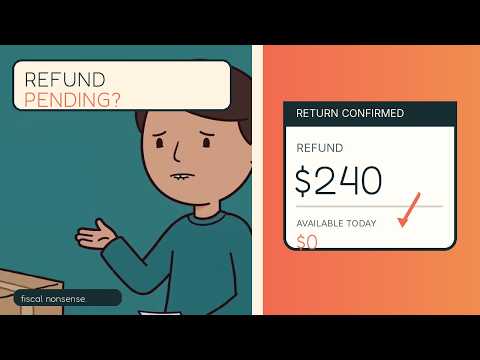
A return can lower a card balance, arrive as cash, or become store credit. Until it has cleared in the account that receives it, it cannot fund another plan.
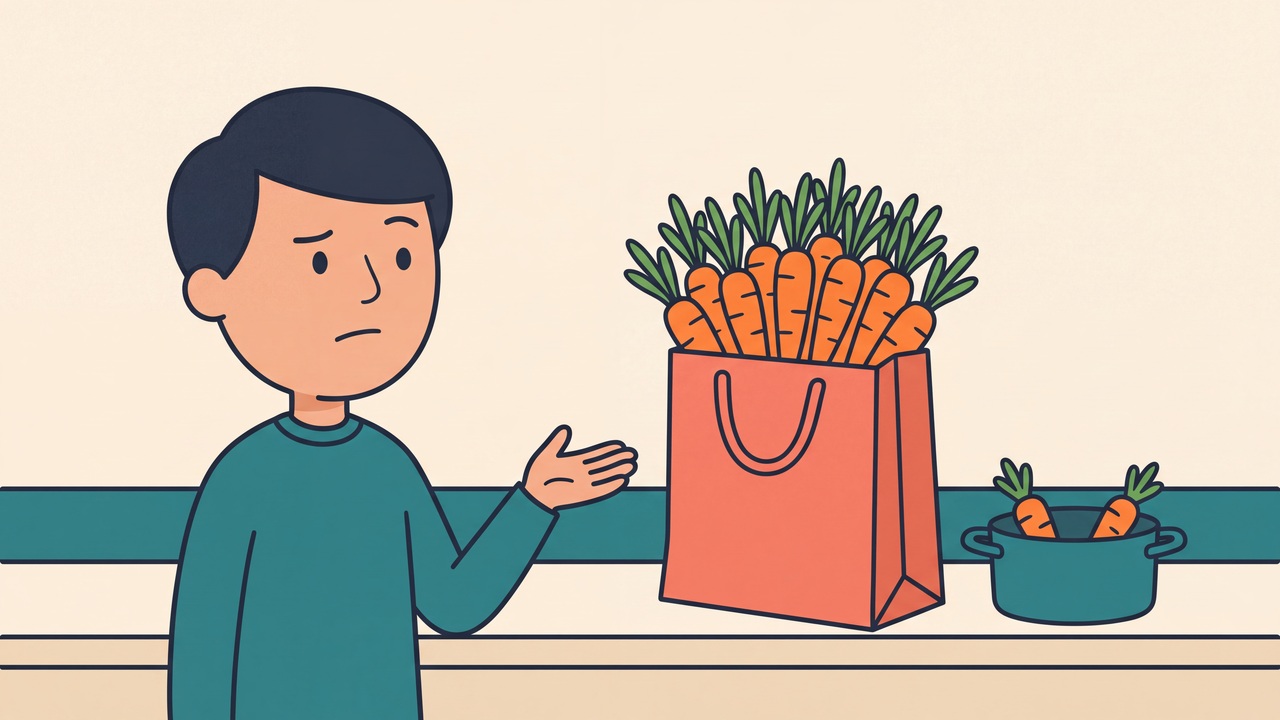
A lower price per kilo can cost more for the food you actually use. Compare a bag with loose produce, find the break-even amount, and count extra trip costs.