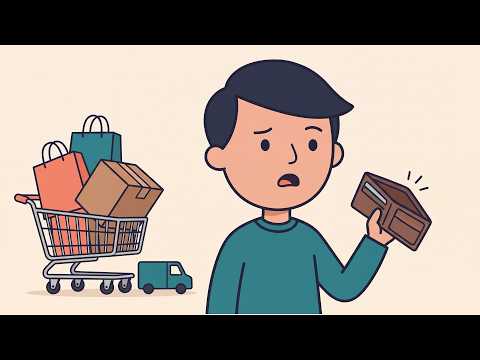
The Free Shipping Trap: Spending $25 to Save $6
Free shipping and sale discounts can make spending feel like saving. Learn to compare the final bill, bulk deals and stacked discounts.
 fiscal
Finance videos / Spending & shopping
A lower price only saves money when the real saving per use repays the extra upfront cost. See a fictional purchase take nearly three years to break even.
Video in English
Loading this player sends connection and viewing data to Google/YouTube, which may use cookies or similar technologies. The rest of this page works without it.
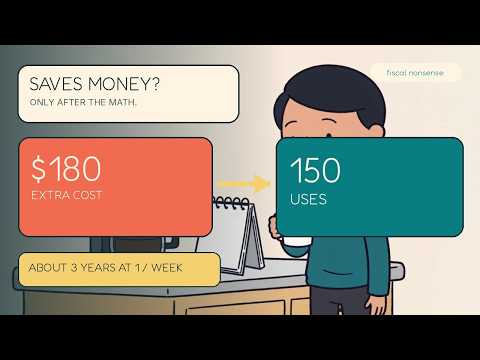
Privacy detailsA fictional $180 coffee machine appears to save $1.20 each time it replaces a $4 drink with a $2.80 homemade one. That needs 150 real uses to break even. At four uses a month, it takes 37.5 months.
Use the free Purchase Break-even Calculator to test extra upfront cost, the cost you truly avoid, the new cost per use, and a realistic usage rate. It estimates net saving per use, uses to break even and an approximate timeline. It cannot predict prices, habits, repairs or what an item is worth to you.
Before buying a supposed money-saver, check the added cost, the real saving per use, and how often you will genuinely use it. A purchase can still be worth having even if it never pays itself back; call it a want rather than a saving.
Fictional dollar example for general education. Prices, habits, maintenance, energy, financing, taxes and resale value vary.
Free shipping and sale discounts can make spending feel like saving. Learn to compare the final bill, bulk deals and stacked discounts.
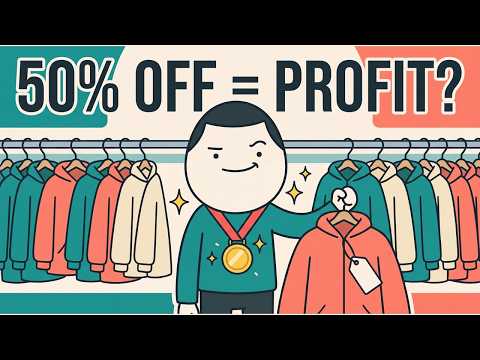
Why do discounts make spending feel like saving? This cartoon explains price anchoring and a three-question check before your next sale purchase.
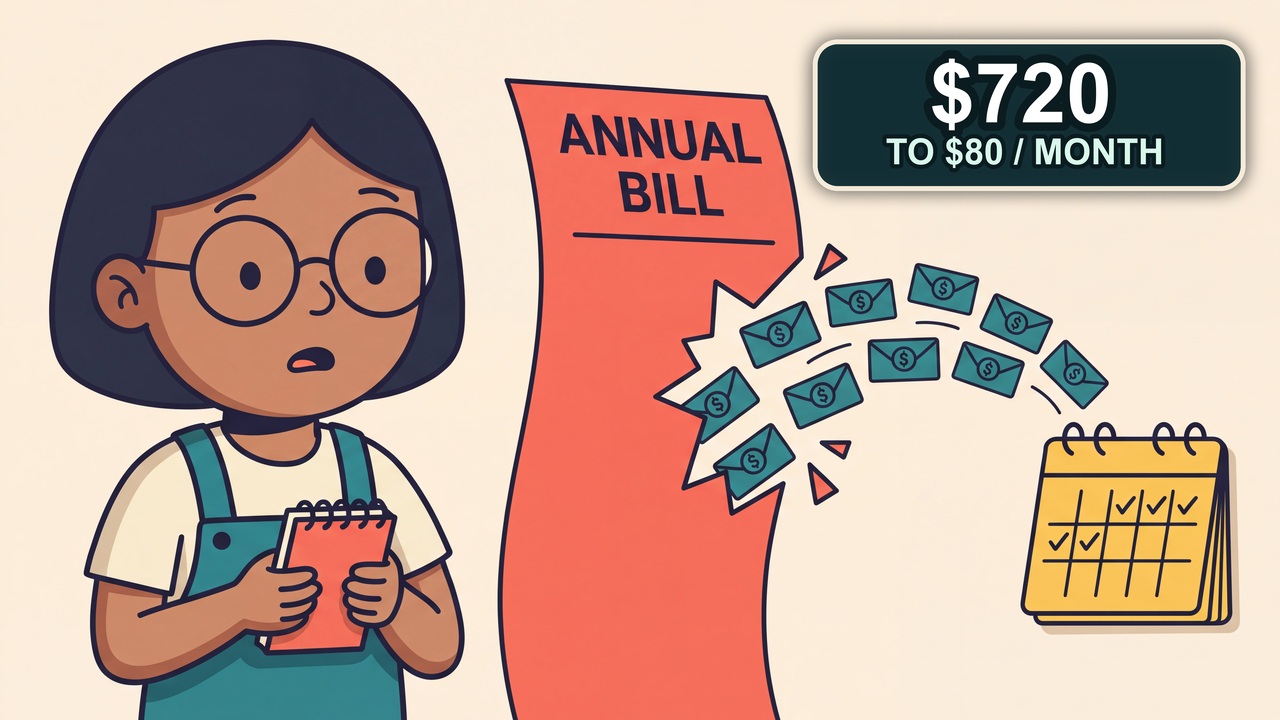
Turn a known annual bill into a monthly set-aside: subtract what is already reserved, divide the rest by the months left, and recalculate when the plan changes.