6% Savings… But Only for Three Months
A headline savings rate can hide an expiry date. Compare bonus rates over the same holding period, and see why needing the money sooner can reverse the result.
 fiscal
Finance videos / Saving & investing
A fictional $6,000 deposit shortfall creates three choices: save more, wait longer or lower the target. Test how a deadline changes the risk you can afford.
Video in English
Loading this player sends connection and viewing data to Google/YouTube, which may use cookies or similar technologies. The rest of this page works without it.
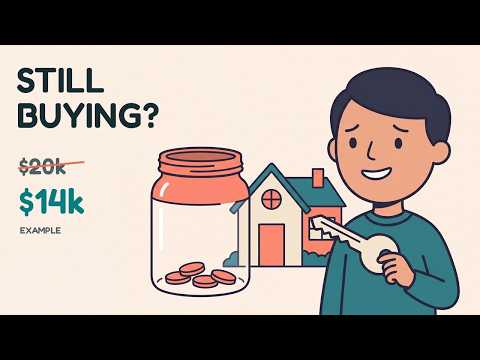
Privacy detailsA hypothetical 30% fall turns a $20,000 house deposit into $14,000. Could Alex still buy in two years? Choose between saving more, changing the date and reducing the target—and see why the timing of a loss changes the answer.
Try the FREE Savings Goal Calculator (including the shortfall scenario): https://fiscalnonsense.com/calculators/savings-goal/#shortfall
For ongoing tracking: Savings Goal Tracker — paid Excel workbook, $2.99 USD before applicable taxes: https://fiscalnonsense.com/shop/savings-goal-tracker/
Which would you change first for Alex: monthly saving, deadline or target? Tell us why without sharing private financial details.
WATCH NEXT: Rent vs Buy a Home — Compare the Real Costs https://www.youtube.com/watch?v=cijWO7XdMZM
FICTIONAL EXAMPLE $20,000 × (1 − 30%) = $14,000. The remaining $6,000 needs $250/month across 24 months after the loss. At $100/month, the deadline balance is $16,400 with a $3,600 shortfall, or rebuilding takes 60 months. No later market returns, interest, taxes, fees or changing house prices are assumed in the repair calculation. A loss one month before the purchase leaves one month to repair it.
General financial education, not individualized investment advice. Country-neutral invented dollar examples. Product risks, access, deposit protection, lending rules and buying costs vary locally. Neither calculator nor workbook predicts returns, chooses investments or guarantees a purchase outcome. Separate emergency reserves from money assigned to this goal.
SOURCES FINRA — Know Your Risk Tolerance https://www.finra.org/investors/insights/know-your-risk-tolerance Investor.gov — Gauge Your Risk Tolerance https://www.investor.gov/introduction-investing/investing-basics/save-and-invest/gauge-your-risk-tolerance
Original fictional characters. AI-assisted character animation and approved voices; locally animated educational graphics. #PersonalFinance #SavingForAHouse #FiscalNonsense
CHAPTERS 00:00 The deposit has a deadline 00:29 Willingness versus ability 01:05 Choose a repair 02:06 Change the date—or the target 03:08 Can your backup do two jobs? 03:48 Your tools and five-question goal card
A headline savings rate can hide an expiry date. Compare bonus rates over the same holding period, and see why needing the money sooner can reverse the result.
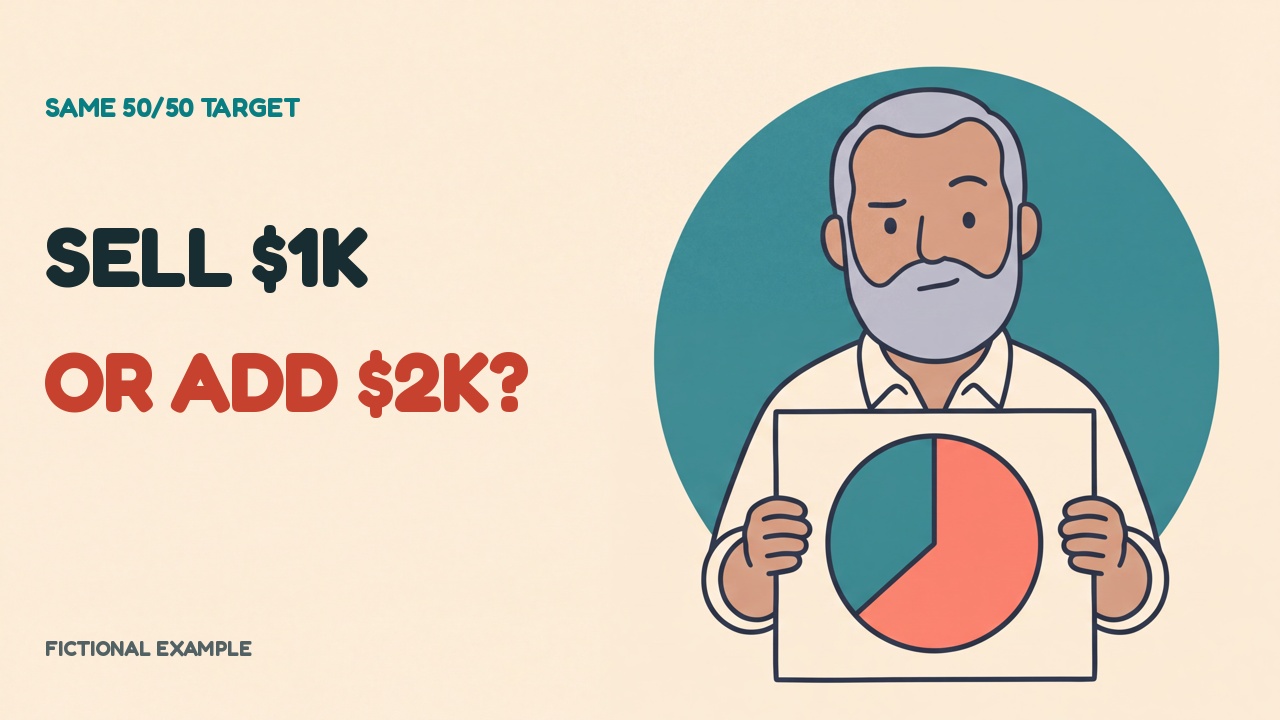
The same fictional 50/50 target needs either a 1,000 transfer or 2,000 of new money. See why the totals differ and what a smaller contribution achieves.
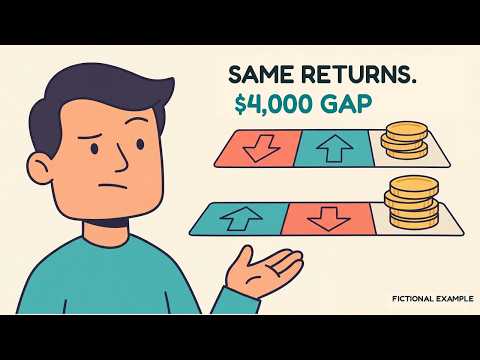
Reverse two yearly returns and keep the withdrawals equal: one retirement example ends $4,000 lower. See why the order matters.