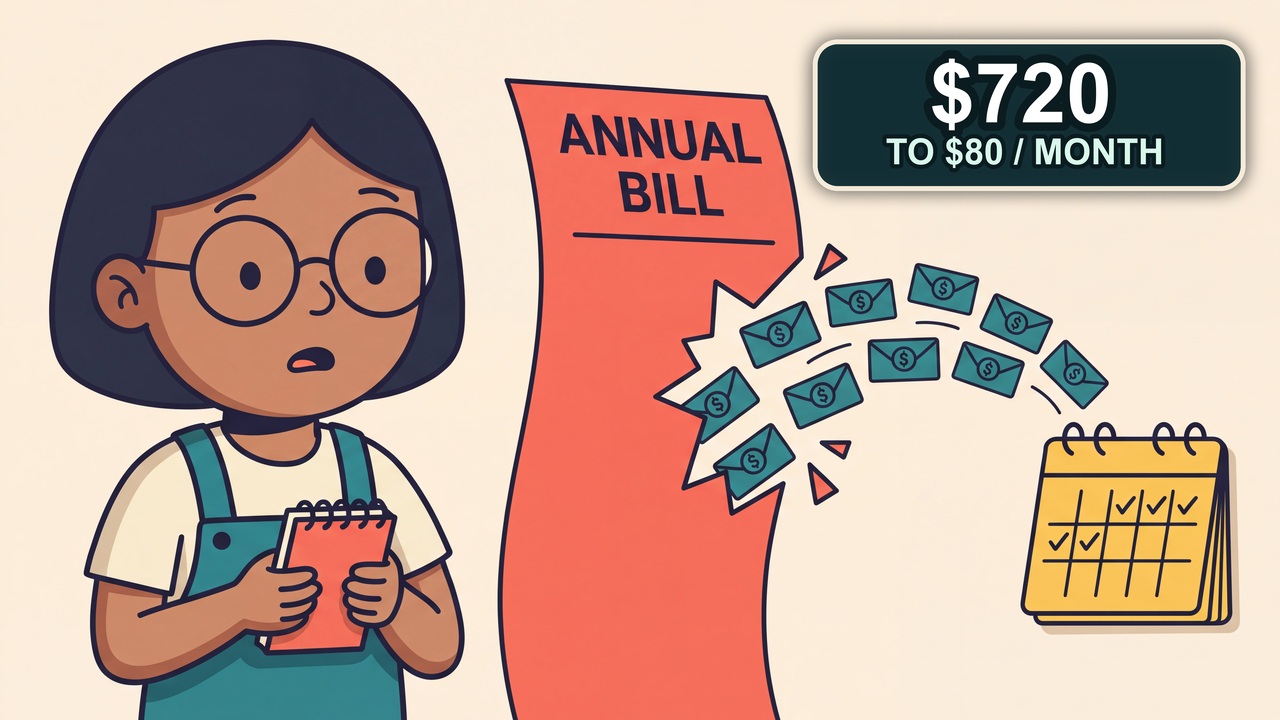
Annual Bills Are a Monthly Problem (Here’s the Fix)
Turn a known annual bill into a monthly set-aside: subtract what is already reserved, divide the rest by the months left, and recalculate when the plan changes.
 fiscal
Finance videos / Budgeting & saving
Learn how to start an emergency fund, distinguish emergencies from planned expenses, set a first savings milestone and rebuild after a withdrawal.
Video in English
Loading this player sends connection and viewing data to Google/YouTube, which may use cookies or similar technologies. The rest of this page works without it.
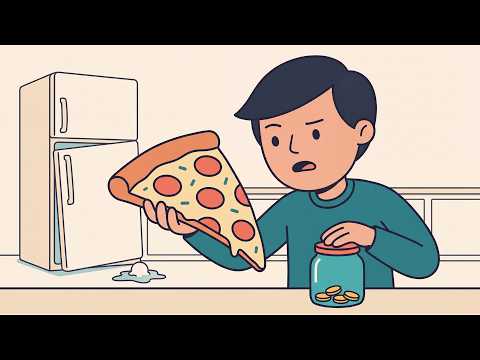
Privacy detailsAlex’s fridge has quit. Leo suggests emergency pizza. The savings account would like a second opinion.
Join Alex, Maya, Leo, Nina and Ben for a practical guide to emergency funds: what counts as an emergency, what belongs in a sinking fund, how to start with a manageable savings milestone, and how to rebuild after using the money.
Worked examples follow Alex from a $100 starting balance to a $500 first milestone, then through a $180 fridge repair and a nine-week refill plan. These are illustrative amounts, not universal savings targets.
CHAPTERS 00:00 The fridge resigns 00:18 Budget, sinking fund, or emergency? 01:04 Three questions before spending 01:44 Start with a realistic milestone 02:32 Where to keep the money 02:51 Use it, then refill it 03:37 The pizza verdict
YOUR FIRST STEP • Choose a realistic first milestone. • Choose a safe, accessible place for the money. • Write your rule for when to use it.
Plan predictable expenses. Protect against financial shocks. Rebuild after using the reserve.
More Fiscal Nonsense: https://fiscalnonsense.com
RESOURCES CFPB — An essential guide to building an emergency fund: https://www.consumerfinance.gov/an-essential-guide-to-building-an-emergency-fund/ Financial Consumer Agency of Canada — Setting up an emergency fund: https://www.canada.ca/en/financial-consumer-agency/services/savings-investments/setting-up-emergency-funds.html
Original fictional characters. AI-generated voices and character animation, with locally animated teaching graphics and original sound effects. All amounts and situations are illustrative. General financial education; suitable targets and options depend on your circumstances.
#EmergencyFund #Budgeting #PersonalFinance #FiscalNonsense
Turn a known annual bill into a monthly set-aside: subtract what is already reserved, divide the rest by the months left, and recalculate when the plan changes.
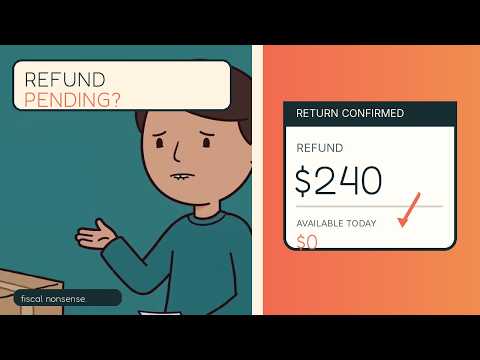
A return can lower a card balance, arrive as cash, or become store credit. Until it has cleared in the account that receives it, it cannot fund another plan.

A lower price per kilo can cost more for the food you actually use. Compare a bag with loose produce, find the break-even amount, and count extra trip costs.