
6% Savings… But Only for Three Months
A headline savings rate can hide an expiry date. Compare bonus rates over the same holding period, and see why needing the money sooner can reverse the result.
 fiscal
Finance videos / Saving & investing
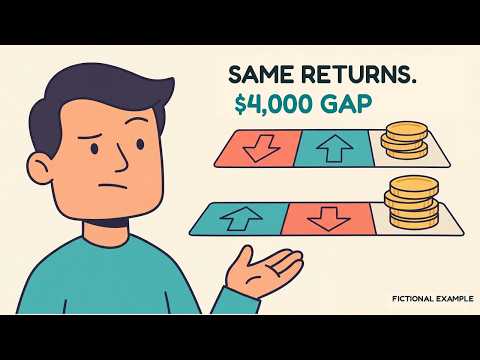
Reverse two yearly returns and keep the withdrawals equal: one retirement example ends $4,000 lower. See why the order matters.
Video in English
Loading this player sends connection and viewing data to Google/YouTube, which may use cookies or similar technologies. The rest of this page works without it.
Privacy detailsTry the FREE Return-order calculator and download your scenario as a CSV: https://fiscalnonsense.com/calculators/return-order/
Same starting balance, same pair of returns and same withdrawals: why does one fictional retirement pot finish at $74,000 while the other reaches $78,000? See how the order of returns interacts with spending.
Our two-year example starts with $100,000. Each path receives one −20% year and one +20% year in opposite orders. A $10,000 withdrawal happens at each year end, after the return. Both withdraw $20,000 in total. Without withdrawals, both paths finish at $96,000. These are hypothetical numbers, not forecasts or a recommended withdrawal rate.
The model excludes taxes, fees, inflation, other income and portfolio changes. Reserves and spending flexibility have trade-offs; no single reserve size or spending rule guarantees success. Local rules and personal circumstances matter.
Which part of a spending plan could you change after a market fall: timing, amount, or neither?
WATCH NEXT: Five Types of FIRE — compare different routes to financial independence. https://youtu.be/9CNzxXKLkT4
CHAPTERS 00:00 Same returns, different result 00:39 Loss first versus gain first 01:33 Why withdrawals change the result 02:09 The no-withdrawal control 02:48 Test your spending plan
SOURCES https://www.schwab.com/learn/story/timing-matters-understanding-sequence-returns-risk https://www.investor.gov/additional-resources/general-resources/publications-research/info-sheets/beginners-guide-asset
General financial education, not individualized investment, tax or legal advice. AI-generated character animation and voices; original script and locally animated calculations. https://fiscalnonsense.com #RetirementPlanning #PersonalFinance #FiscalNonsense
A headline savings rate can hide an expiry date. Compare bonus rates over the same holding period, and see why needing the money sooner can reverse the result.
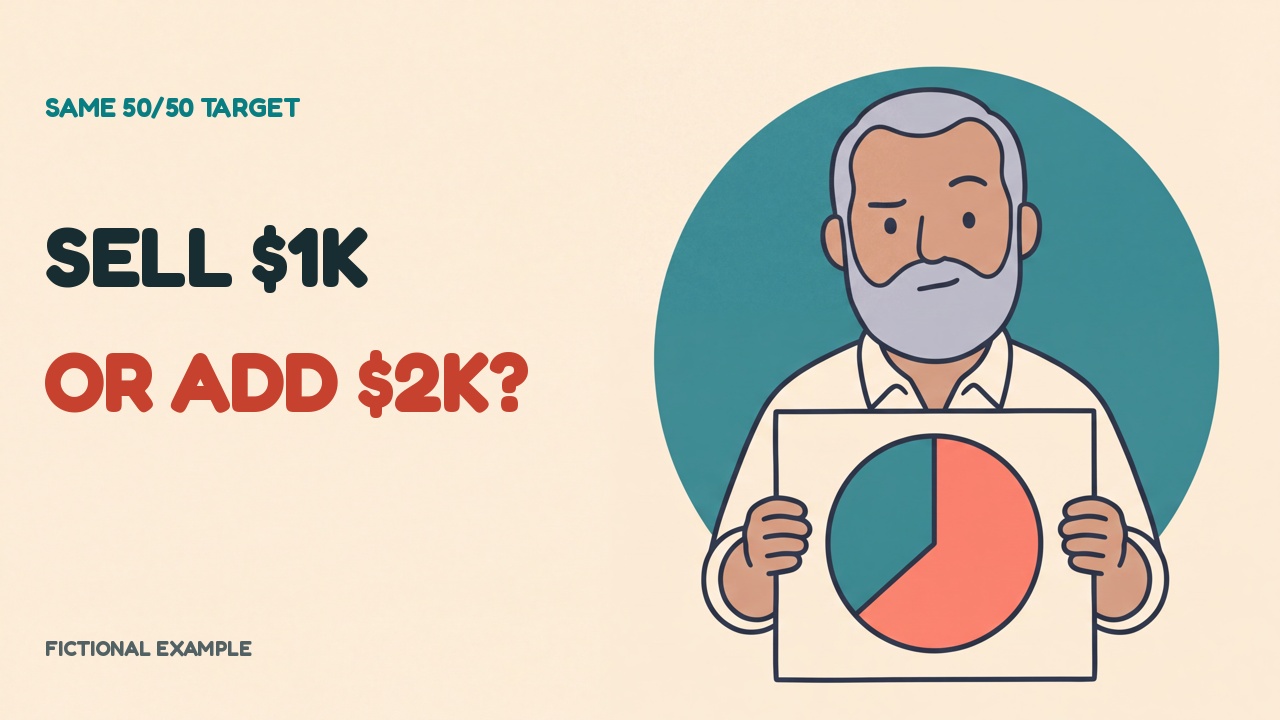
The same fictional 50/50 target needs either a 1,000 transfer or 2,000 of new money. See why the totals differ and what a smaller contribution achieves.

A fictional $6,000 deposit shortfall creates three choices: save more, wait longer or lower the target. Test how a deadline changes the risk you can afford.