Compare job offers using take-home pay, extra work costs and extra time, so a bigger salary does not hide the trade you are making.
Video in inglese
Scegli quando collegarti a YouTube
Caricare il lettore invia dati di connessione e visione a Google/YouTube, che può usare cookie o tecnologie simili. Il resto della pagina funziona anche senza.
The higher salary is not automatically the better offer.
In this fictional job-offer example, Alex compares more take-home pay with commuting, lunches, work costs and extra time. The question is not just “which salary is bigger?” It is: what does the job ask you to give up, and is that trade worth it for you?
The calculator compares entered take-home pay, extra job costs and extra time. It does not estimate taxes, benefits, employment-law rights or career prospects, and it cannot choose a job for you. Use your own local terms and figures.
CHAPTERS
00:00 The bigger offer
00:25 Compare the whole week
00:45 The costs behind the offer
01:35 The time behind the offer
02:20 The cash-per-extra-hour check
03:20 Cash, time, future
04:05 Make the whole-receipt decision
Which changes your answer most when comparing two roles: cash, time, or future?
Fictional amounts are for education, not personal financial, tax, legal, or employment advice.
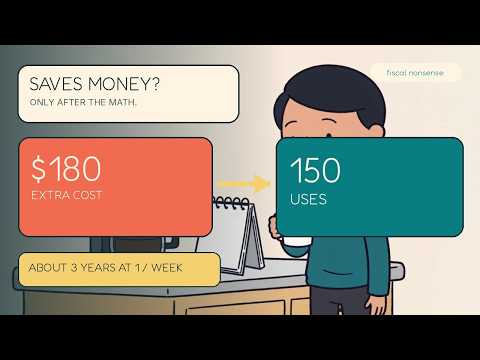
Un prezzo più basso fa risparmiare solo se il risparmio reale per utilizzo ripaga il costo iniziale aggiuntivo. Scopri come un acquisto fittizio richieda quasi tre anni per raggiungere il pareggio.
Trasforma una spesa annuale prevista in un accantonamento mensile: sottrai quanto già messo da parte, dividi il resto per i mesi rimasti e ricalcola quando il piano cambia.
Un reso può ridurre il saldo di una carta, arrivare come denaro sul conto o diventare credito del negozio. Finché non è stato accreditato sul conto che lo riceve, non può finanziare un altro piano.