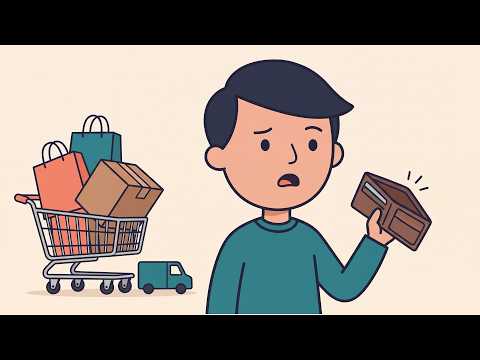
Die Gratisversand-Falle: 25 Dollar ausgeben, um 6 zu sparen
Gratisversand und Rabatte lassen Ausgeben wie Sparen wirken. Vergleiche Endpreise, Mengenangebote und kombinierte Rabatte.
 fiscal
Finanzvideos / Ausgeben und Einkaufen
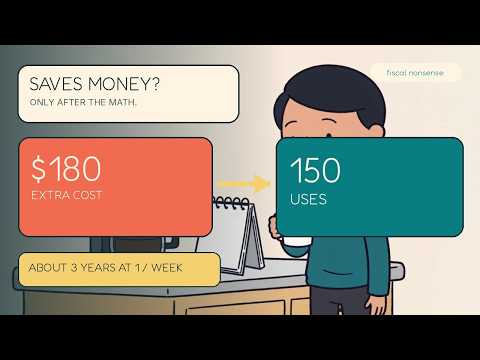
Ein niedriger Preis spart nur dann Geld, wenn die echte Ersparnis pro Nutzung die zusätzlichen Anschaffungskosten deckt. Sieh, wie ein fiktiver Kauf fast drei Jahre bis zum Break-even braucht.
Video auf Englisch
Das Laden sendet Verbindungs- und Wiedergabedaten an Google/YouTube. Dabei können Cookies oder ähnliche Technologien eingesetzt werden. Der Rest der Seite funktioniert auch ohne Player.
DatenschutzdetailsA fictional $180 coffee machine appears to save $1.20 each time it replaces a $4 drink with a $2.80 homemade one. That needs 150 real uses to break even. At four uses a month, it takes 37.5 months.
Use the free Purchase Break-even Calculator to test extra upfront cost, the cost you truly avoid, the new cost per use, and a realistic usage rate. It estimates net saving per use, uses to break even and an approximate timeline. It cannot predict prices, habits, repairs or what an item is worth to you.
Before buying a supposed money-saver, check the added cost, the real saving per use, and how often you will genuinely use it. A purchase can still be worth having even if it never pays itself back; call it a want rather than a saving.
Fictional dollar example for general education. Prices, habits, maintenance, energy, financing, taxes and resale value vary.
Gratisversand und Rabatte lassen Ausgeben wie Sparen wirken. Vergleiche Endpreise, Mengenangebote und kombinierte Rabatte.
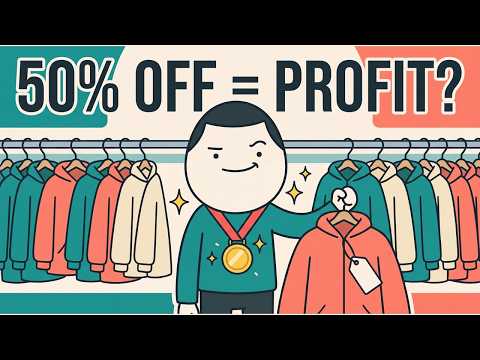
Warum fühlt sich Ausgeben bei Rabatten wie Sparen an? Eine Geschichte über Preisanker und drei Fragen vor dem nächsten Sonderangebot.
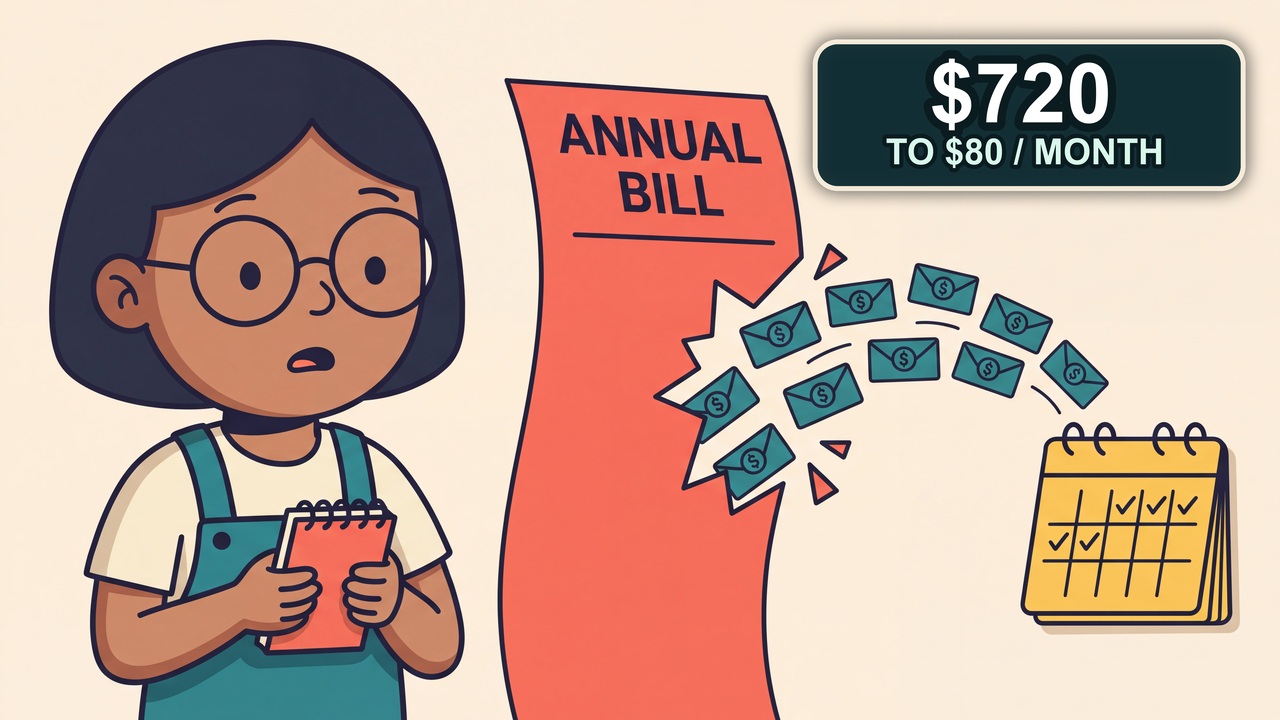
Mache eine bekannte Jahresrechnung planbar: Ziehe Rücklagen ab, teile den Rest durch die Monate bis zur Fälligkeit und rechne neu, wenn sich der Plan ändert.