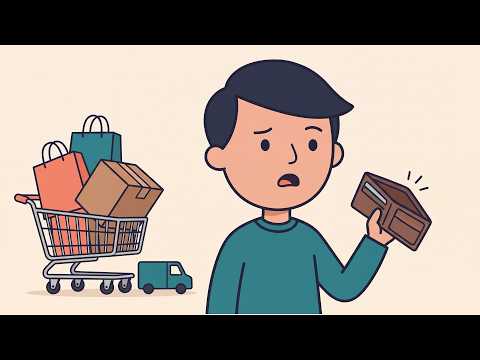
La trappola della spedizione gratuita: spendere 25 dollari per risparmiarne 6
Spedizione gratuita e sconti fanno sembrare la spesa un risparmio. Confronta totale, offerte multiple e sconti cumulati.
 fiscal
Video di finanza / Spese e acquisti
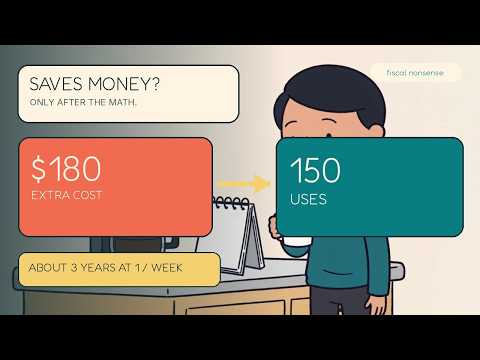
Un prezzo più basso fa risparmiare solo se il risparmio reale per utilizzo ripaga il costo iniziale aggiuntivo. Scopri come un acquisto fittizio richieda quasi tre anni per raggiungere il pareggio.
Video in inglese
Caricare il lettore invia dati di connessione e visione a Google/YouTube, che può usare cookie o tecnologie simili. Il resto della pagina funziona anche senza.
Dettagli sulla privacyA fictional $180 coffee machine appears to save $1.20 each time it replaces a $4 drink with a $2.80 homemade one. That needs 150 real uses to break even. At four uses a month, it takes 37.5 months.
Use the free Purchase Break-even Calculator to test extra upfront cost, the cost you truly avoid, the new cost per use, and a realistic usage rate. It estimates net saving per use, uses to break even and an approximate timeline. It cannot predict prices, habits, repairs or what an item is worth to you.
Before buying a supposed money-saver, check the added cost, the real saving per use, and how often you will genuinely use it. A purchase can still be worth having even if it never pays itself back; call it a want rather than a saving.
Fictional dollar example for general education. Prices, habits, maintenance, energy, financing, taxes and resale value vary.
Spedizione gratuita e sconti fanno sembrare la spesa un risparmio. Confronta totale, offerte multiple e sconti cumulati.
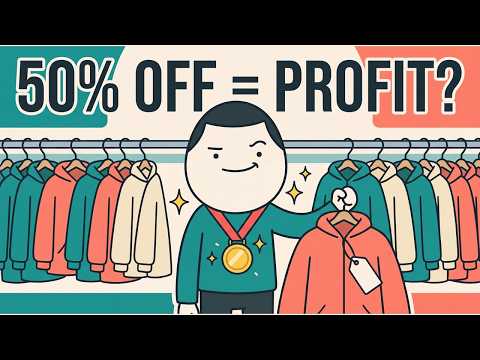
Perché gli sconti fanno sembrare la spesa un risparmio? Scopri l’ancoraggio dei prezzi e tre domande da farti prima di acquistare.
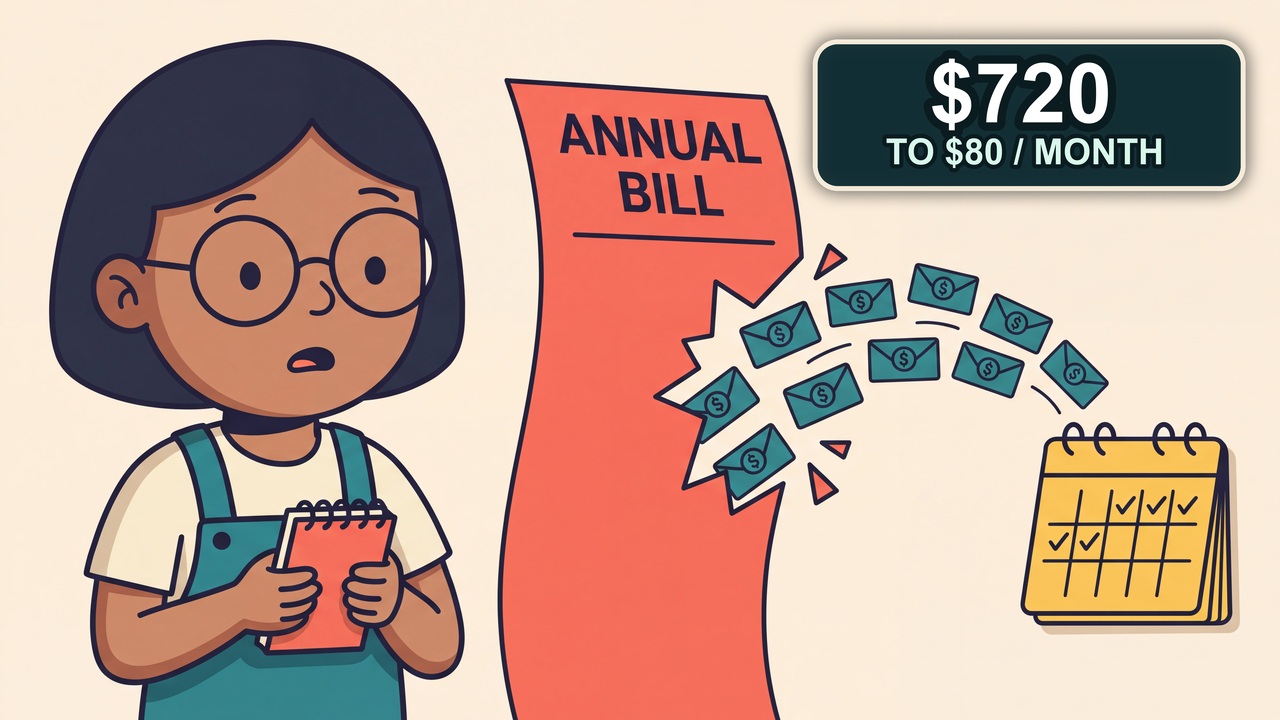
Trasforma una spesa annuale prevista in un accantonamento mensile: sottrai quanto già messo da parte, dividi il resto per i mesi rimasti e ricalcola quando il piano cambia.