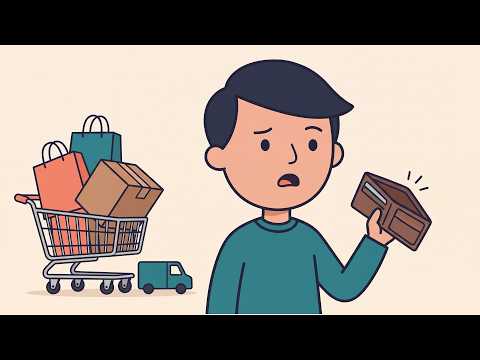
Le piège de la livraison gratuite : dépenser 25 dollars pour en économiser 6
Livraison gratuite et promotions peuvent faire passer une dépense pour une économie. Comparez le total, les lots et les remises cumulées.
 fiscal
Vidéos sur les finances / Dépenses et achats
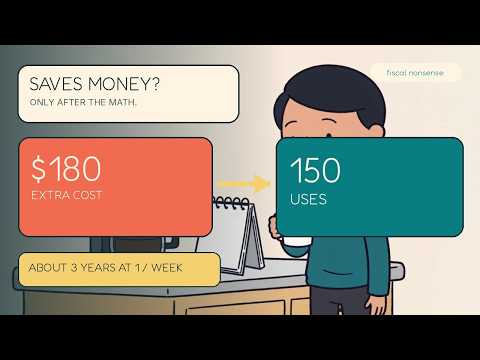
Un prix plus bas ne fait économiser que si l’économie réelle par utilisation rembourse le surcoût initial. Voyez comment un achat fictif met presque trois ans à atteindre son seuil de rentabilité.
Vidéo en anglais
Charger ce lecteur envoie des données de connexion et de visionnage à Google/YouTube, qui peut utiliser des cookies ou technologies similaires. Le reste de la page fonctionne sans lui.
Détails sur la confidentialitéA fictional $180 coffee machine appears to save $1.20 each time it replaces a $4 drink with a $2.80 homemade one. That needs 150 real uses to break even. At four uses a month, it takes 37.5 months.
Use the free Purchase Break-even Calculator to test extra upfront cost, the cost you truly avoid, the new cost per use, and a realistic usage rate. It estimates net saving per use, uses to break even and an approximate timeline. It cannot predict prices, habits, repairs or what an item is worth to you.
Before buying a supposed money-saver, check the added cost, the real saving per use, and how often you will genuinely use it. A purchase can still be worth having even if it never pays itself back; call it a want rather than a saving.
Fictional dollar example for general education. Prices, habits, maintenance, energy, financing, taxes and resale value vary.
Livraison gratuite et promotions peuvent faire passer une dépense pour une économie. Comparez le total, les lots et les remises cumulées.
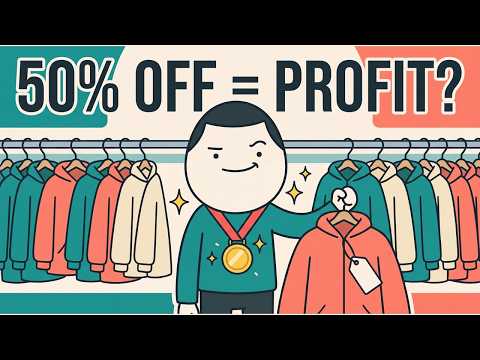
Pourquoi les promotions donnent-elles l’impression d’économiser en dépensant ? Découvrez l’ancrage des prix et trois questions à poser avant d’acheter.
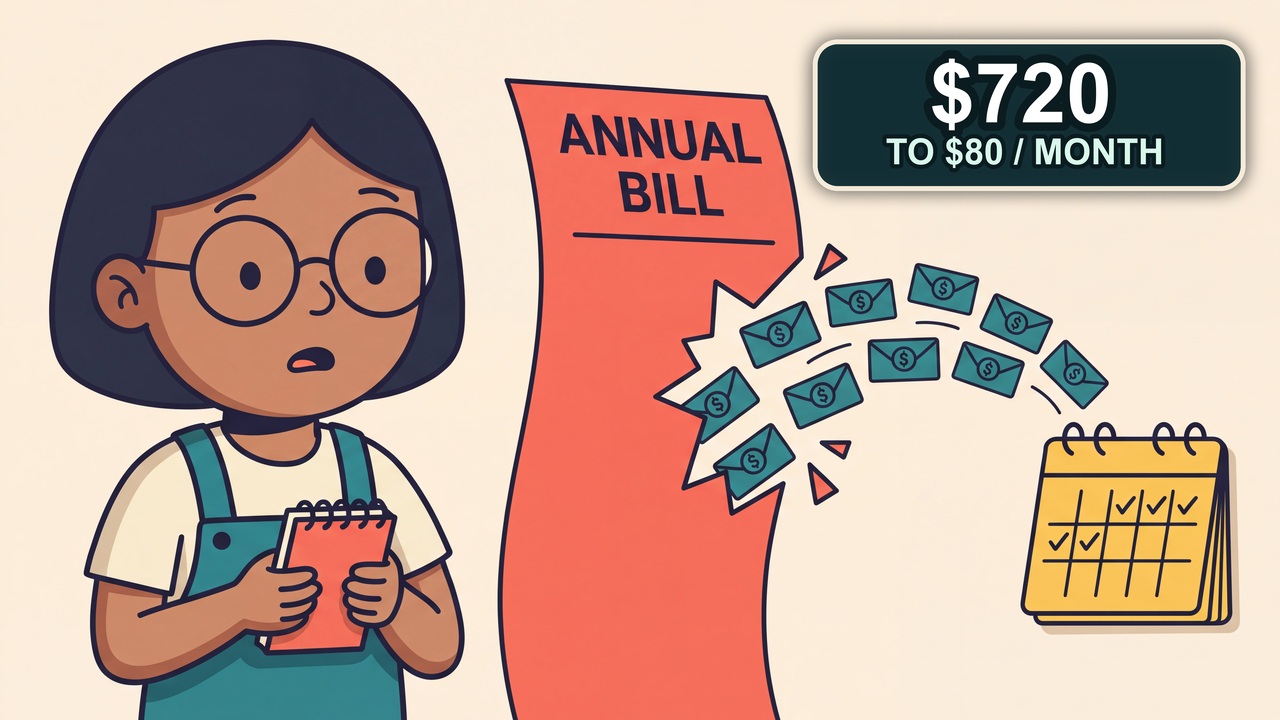
Transformez une facture annuelle connue en versement mensuel : retirez l’épargne déjà mise de côté, divisez le reste par les mois restants et recalculez si le plan change.