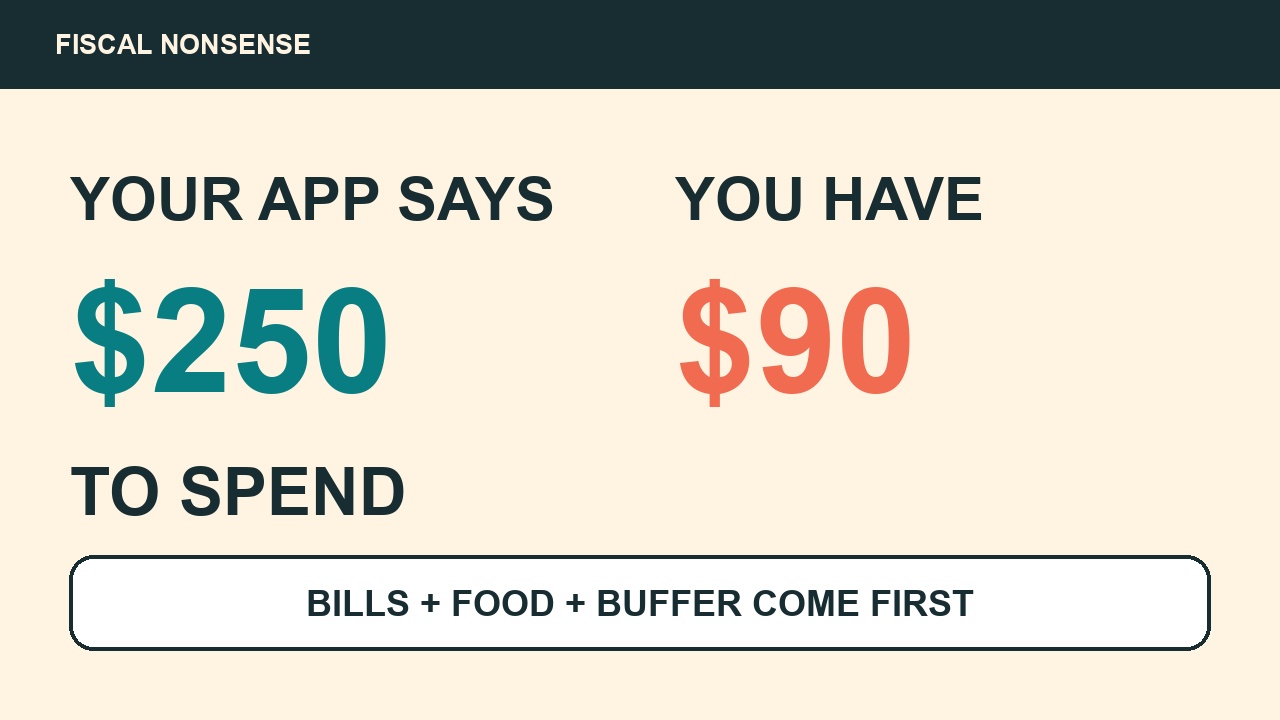
Your App Says $250. You Can’t Spend $250
A fictional $250 balance becomes $90 safe to spend after a $90 bill, $40 for food and a chosen $30 buffer. A $210 ticket leaves a planned $120 gap.
 fiscal
Finance videos / Budgeting & saving
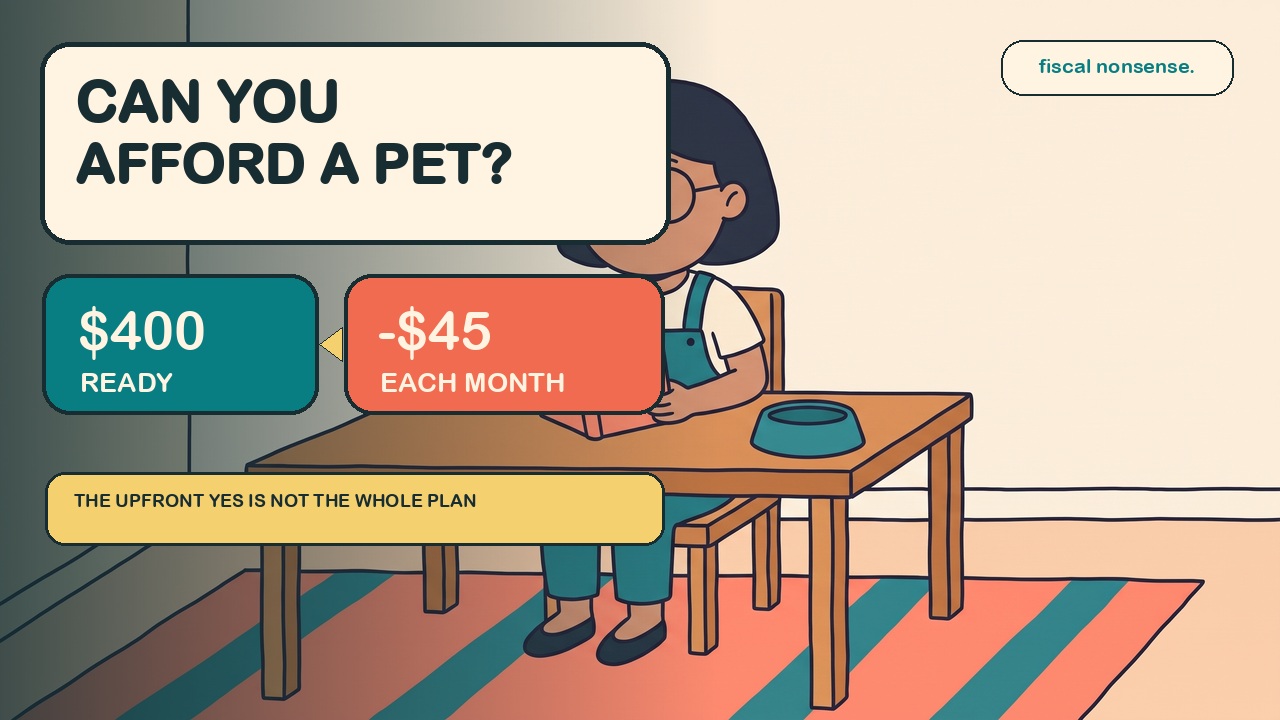
A $400 setup can fit the savings while a fictional pet-care plan is still $45 over Maya’s monthly room. Use four cost buckets before making the plan.
Video in English
Loading this player sends connection and viewing data to Google/YouTube, which may use cookies or similar technologies. The rest of this page works without it.
Privacy detailsA $400 adoption setup can fit your savings while the full monthly plan is still short. In this fictional dollar example, Maya has $120 of monthly room, but routine care ($85), planned yearly costs divided by 12 ($30), and a chosen contingency contribution ($50) total $165: a $45 monthly gap.
Free Pet Care Cost Planner: https://fiscalnonsense.com/calculators/pet-care-cost-planner/ Use it to total first-year cash, turn known annual costs into a monthly set-aside, and compare a chosen contingency goal with your monthly room. It does not quote care costs, predict emergencies, decide whether a pet is right for you, or replace veterinary guidance.
THE FOUR-BUCKET CHECK 1. One-time setup 2. Routine monthly care 3. Planned yearly costs ÷ 12 4. A contingency goal
CHAPTERS 00:00 The upfront yes is not the whole plan 00:17 Pick the cost that breaks the plan 00:42 The four buckets 01:29 Planned yearly costs ÷ 12 02:00 A contingency goal 02:20 The $45 monthly gap 02:51 A gap is information 03:21 Free Pet Care Cost Planner 03:42 The four-line check
NEXT WATCH If your monthly room changes from month to month, watch Irregular Income: Make Your Money Last Through Quiet Months: https://youtu.be/KpV9pukaZbw
All examples are fictional dollar amounts for general education. Pet care, adoption, insurance, veterinary services, rules, prices and available support vary by location and situation. This is not personal financial or veterinary advice.
SOURCES Consumer Financial Protection Bureau — Paying for a pet https://www.consumerfinance.gov/consumer-tools/educator-tools/youth-financial-education/teach/activities/paying-pet/
Consumer Financial Protection Bureau — Getting a pet https://www.consumerfinance.gov/consumer-tools/money-as-you-grow/talking-about-financial-decisions/getting-pet/
Which bucket would you have missed: upfront, monthly, yearly, or contingency? Share the bucket, not your personal figures.
#PetBudget #Budgeting #PersonalFinance #FiscalNonsense
A fictional $250 balance becomes $90 safe to spend after a $90 bill, $40 for food and a chosen $30 buffer. A $210 ticket leaves a planned $120 gap.
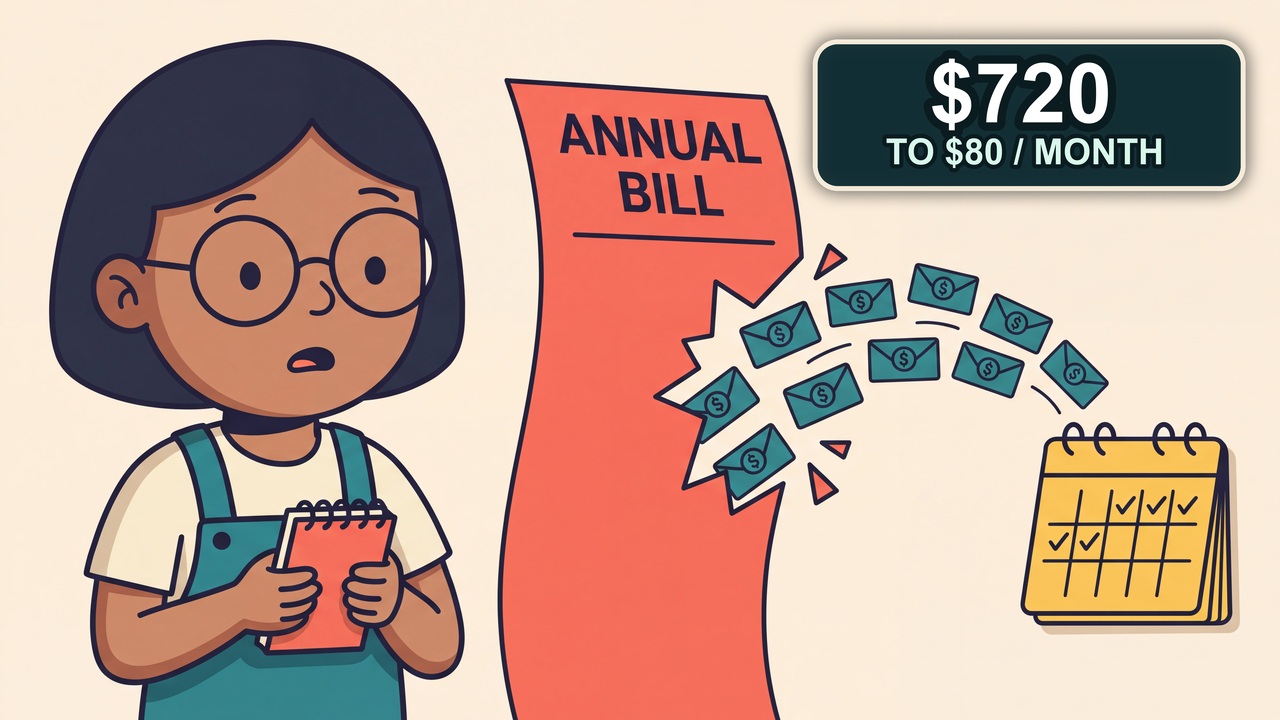
Turn a known annual bill into a monthly set-aside: subtract what is already reserved, divide the rest by the months left, and recalculate when the plan changes.
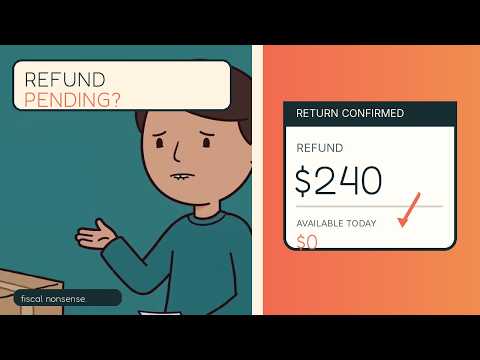
A return can lower a card balance, arrive as cash, or become store credit. Until it has cleared in the account that receives it, it cannot fund another plan.