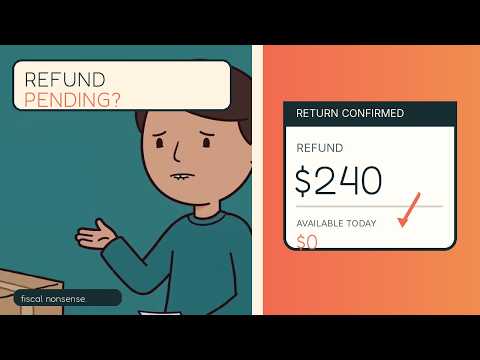
Un rimborso non è una strategia di budget
Un reso può ridurre il saldo di una carta, arrivare come denaro sul conto o diventare credito del negozio. Finché non è stato accreditato sul conto che lo riceve, non può finanziare un altro piano.
 fiscal
Video di finanza / Budget e risparmio
Trasforma una spesa annuale prevista in un accantonamento mensile: sottrai quanto già messo da parte, dividi il resto per i mesi rimasti e ricalcola quando il piano cambia.
Video in inglese
Caricare il lettore invia dati di connessione e visione a Google/YouTube, che può usare cookie o tecnologie simili. Il resto della pagina funziona anche senza.
Dettagli sulla privacyAn annual bill can feel like a surprise only if its monthly cost never got a place in the plan.
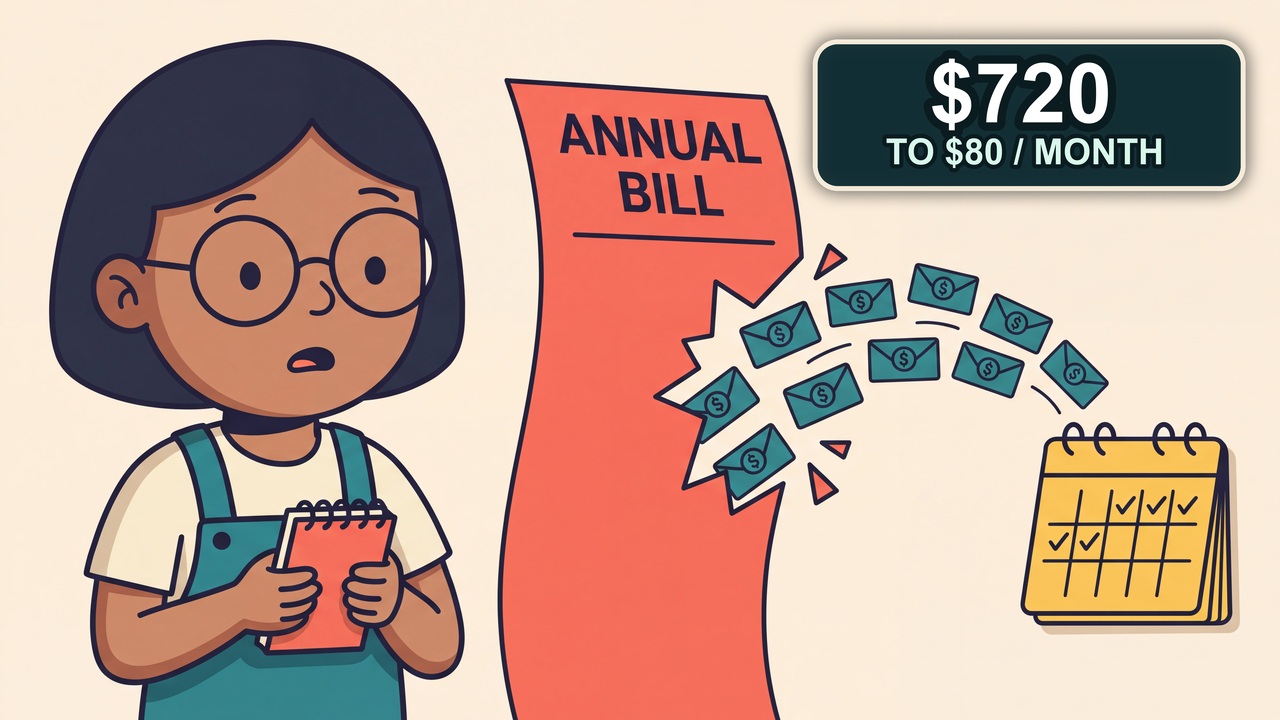
In this fictional example, a $720 bill due in nine months becomes an $80 monthly set-aside. If contributions are missed, the number must change: $720 minus $320 already saved leaves $400; across four months, that is $100 a month.
Try the free Annual Expense Planner: https://fiscalnonsense.com/calculators/annual-expense/
It calculates the monthly amount required from an expected total cost, amount already saved, months remaining and your planned contribution. It does not know your contract, predict costs, or decide what you can afford.
For ongoing contribution tracking: Savings Goal Tracker — paid Excel workbook, $2.99 USD before applicable taxes: https://fiscalnonsense.com/shop/savings-goal-tracker/
QUESTION: When a known cost rises, do you raise the monthly set-aside, cut the cost, or change the date? Share the rule you use — no amounts needed.
All dollar amounts, dates and characters are fictional examples for general education. Bills, cancellation rights, renewals, payment terms and consumer protections vary by provider and country. This is not personal financial, tax, legal or consumer advice.
#PersonalFinance #Budgeting #SinkingFunds #AnnualBills #FiscalNonsense
Un reso può ridurre il saldo di una carta, arrivare come denaro sul conto o diventare credito del negozio. Finché non è stato accreditato sul conto che lo riceve, non può finanziare un altro piano.

Un prezzo al chilo inferiore può costare di più per la quantità effettivamente utilizzata. Confronta confezione e sfuso, trova la soglia di pareggio e considera i viaggi aggiuntivi.
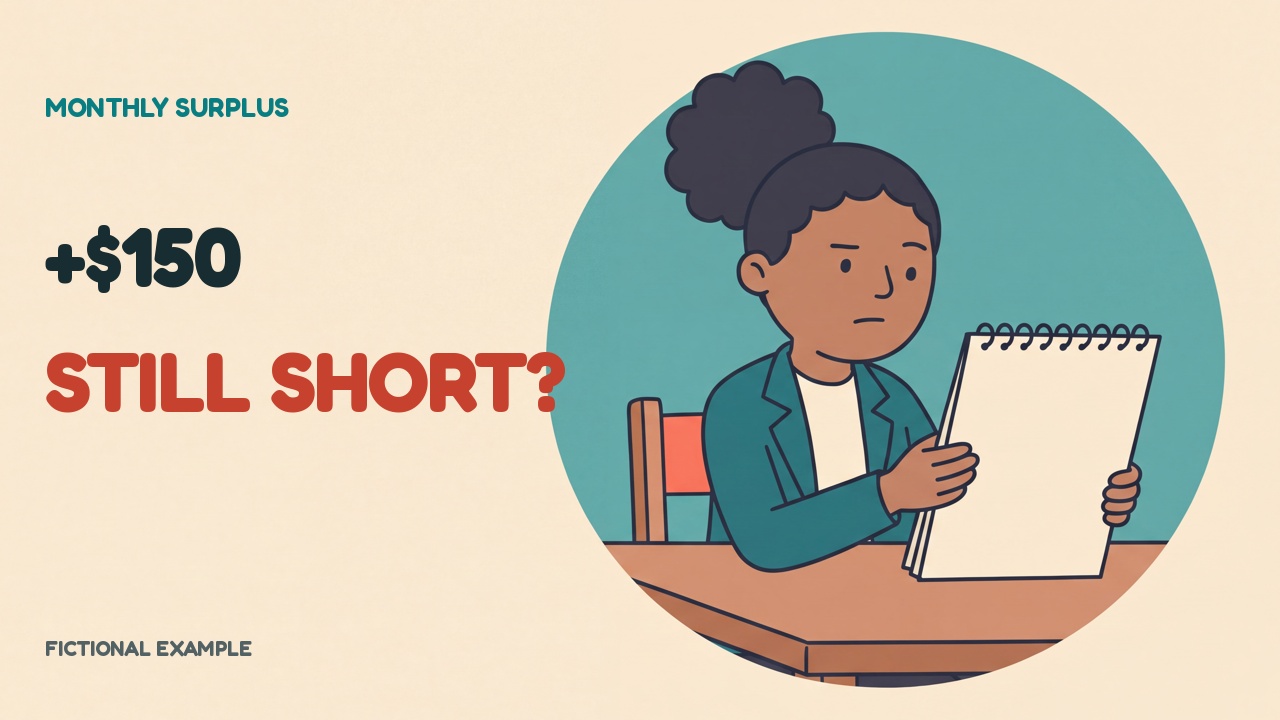
Un avanzo mensile di 150 nasconde una carenza di 250 prima dello stipendio. Segui le date di Nina e confronta uno spostamento concordato con liquidità esistente.