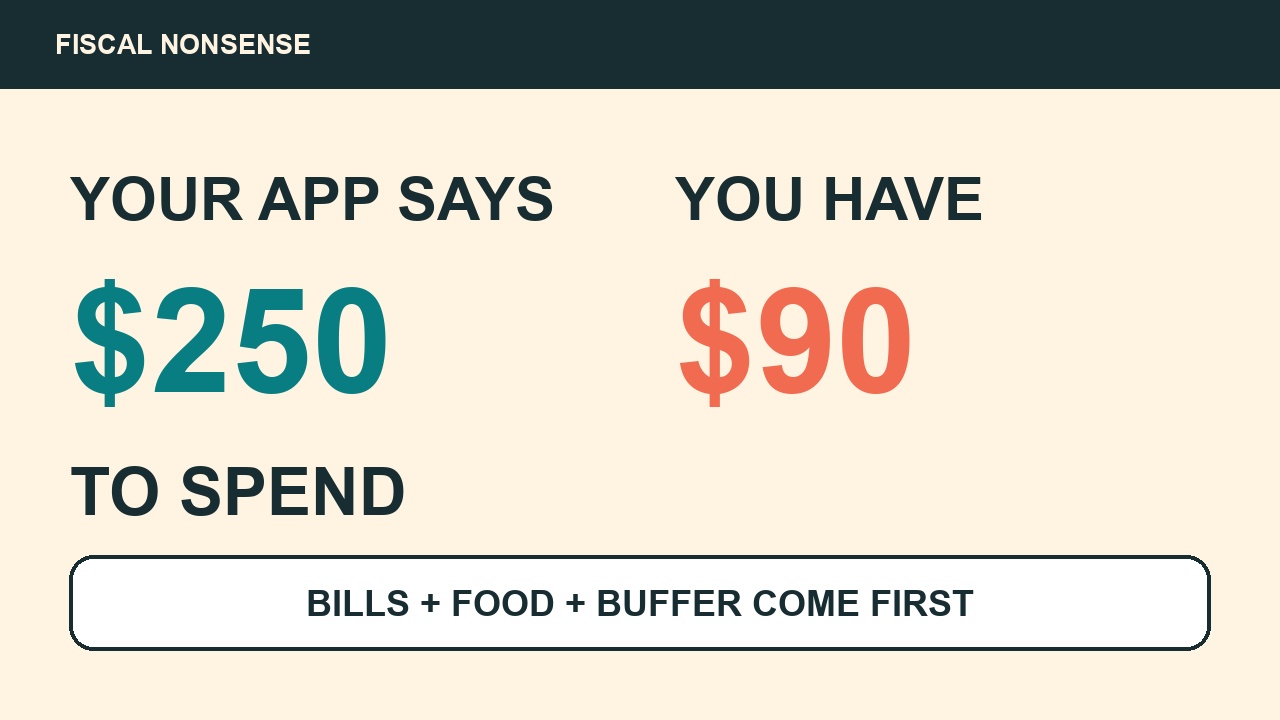
Un saldo fittizio di 250 dollari diventa 90 dollari sicuri da spendere dopo una bolletta, il cibo e un margine. Un biglietto da 210 dollari lascia un divario pianificato di 120 dollari.
Video in inglese
Scegli quando collegarti a YouTube
Caricare il lettore invia dati di connessione e visione a Google/YouTube, che può usare cookie o tecnologie simili. Il resto della pagina funziona anche senza.
Your app can show $250 while your plan has only $90 free to spend. In this fictional example, a $90 bill, $40 for food, and a chosen $30 buffer come before a $210 ticket. The balance is real; it is not a spending limit.
YOUR DECISION
When you check a balance, which missing piece catches you most often: a bill, a payment still pending, or a buffer? Share the category, not your numbers.
THE FICTIONAL PLAN
Current account balance: $250
Bill already assigned: −$90
Food before payday: −$40
Chosen buffer: −$30
Safe to spend: $90
Proposed ticket: −$210
Planned gap: −$120
An overdraft is borrowing. Whether a payment is declined, paid, creates a negative balance, or affects a later payment depends on the account, transaction, timing, merchant and local rules. Check your actual account terms. This is general education, not financial, banking or legal advice.
FREE TOOL
Use the Bill Calendar to enter known income and payments by date:
https://fiscalnonsense.com/calculators/bill-calendar/
It can show a planned lowest balance. It does not connect to a bank, predict clearing order, authorize an overdraft, calculate fees, or decide what you can afford.
Original fictional characters with Callum’s established approved narration, Alex’s approved John voice and a native-audio lip-synced Alex scene. Teaching graphics are locally rendered. Final playback is 1.1× with pitch preserved.
00:00 The $250 balance versus $120 safe to spend
00:16 Alex meets the ticket
00:25 What the $250 already owes
00:40 Why a bill due tomorrow is not spare money
00:55 The $210 ticket test
01:11 Do not guess which payment breaks first
01:30 An overdraft is borrowing
01:47 Cushion versus trapdoor
01:52 The four-line safe-to-spend check
02:24 The $90 result
02:44 Free Bill Calendar
03:02 Choose a real action
03:20 Give each dollar one job
03:33 The decision question
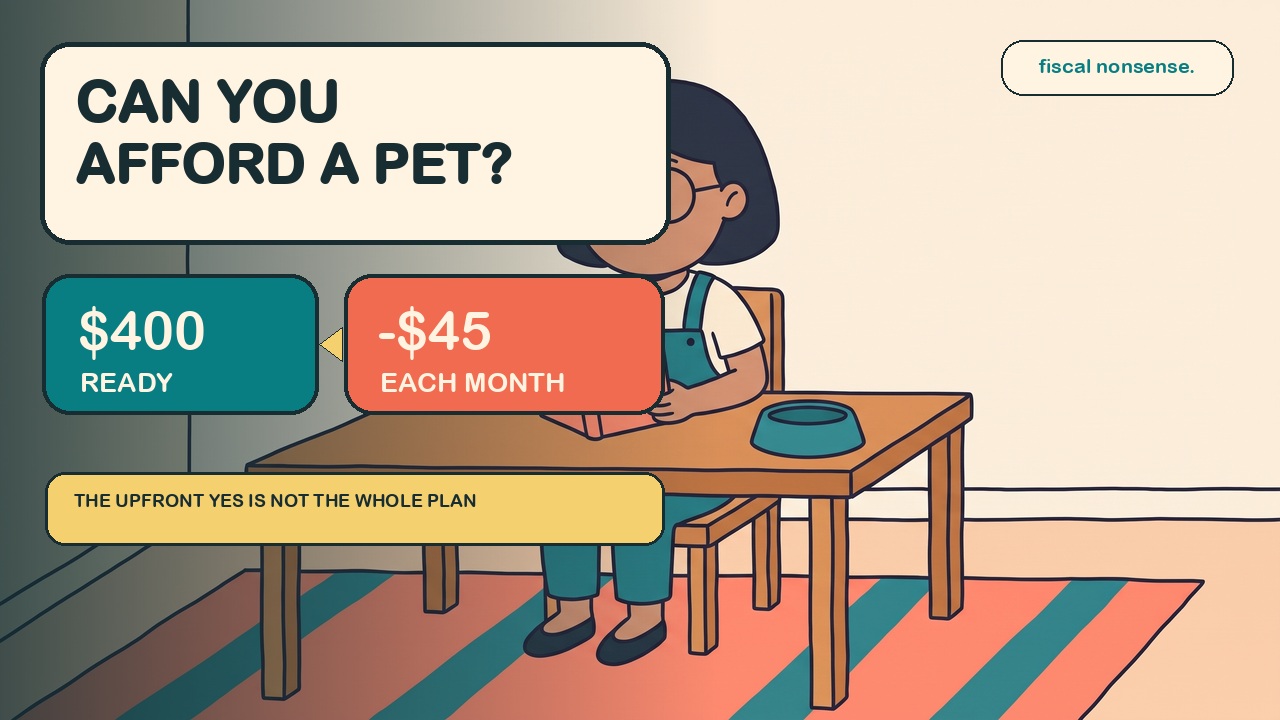
Una spesa iniziale può rientrare nei risparmi mentre il piano fittizio di Maya per l’animale supera il margine mensile di 45 dollari. Controlla quattro categorie di costo prima di pianificare.
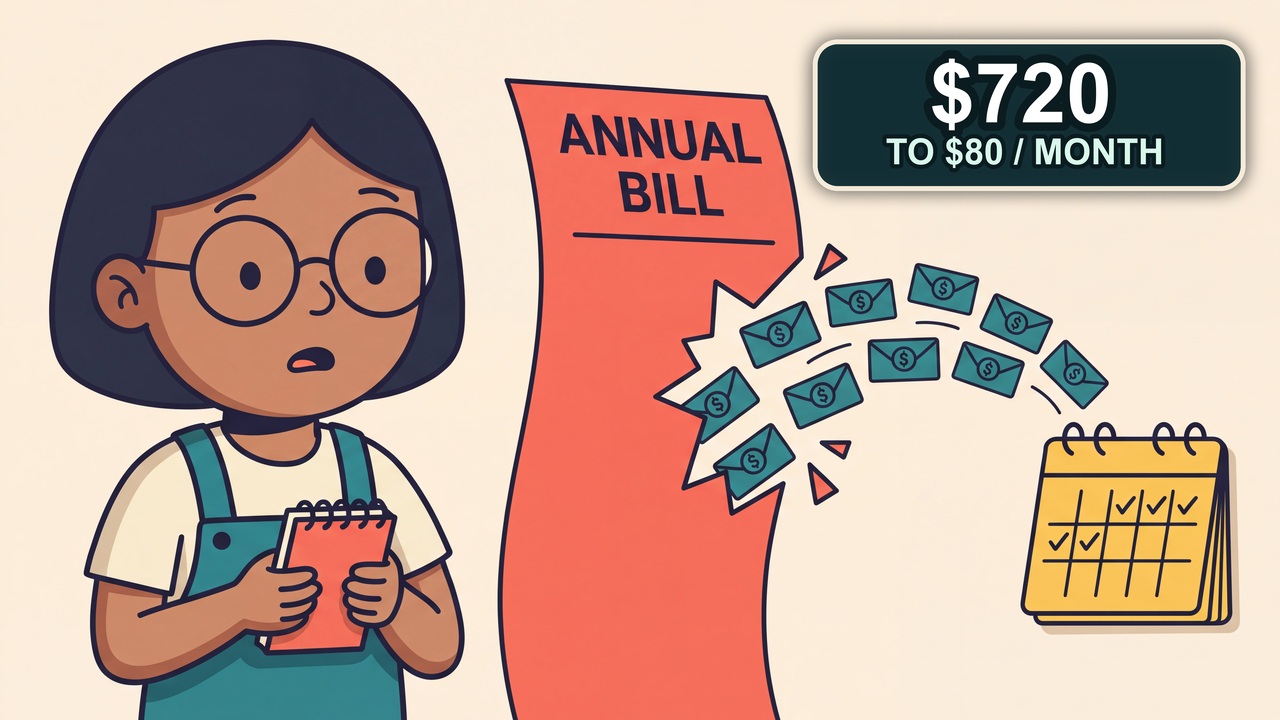
Trasforma una spesa annuale prevista in un accantonamento mensile: sottrai quanto già messo da parte, dividi il resto per i mesi rimasti e ricalcola quando il piano cambia.
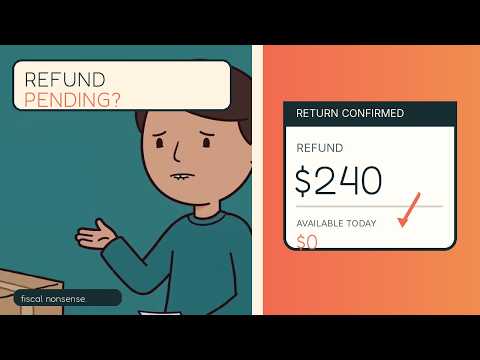
Un reso può ridurre il saldo di una carta, arrivare come denaro sul conto o diventare credito del negozio. Finché non è stato accreditato sul conto che lo riceve, non può finanziare un altro piano.