
Taux zéro : les frais et l’échéance comptent toujours
Un transfert fictif à 0 % exige encore des frais et un plan. Comparez 150 et 206 par mois et calculez le solde à l’échéance.
 fiscal
Vidéos sur les finances / L’argent au quotidien
Ordres au marché, à cours limité et stop impliquent des compromis différents. Découvrez pourquoi cours affiché et prix exécuté peuvent différer, comment fonctionnent les exécutions partielles et pourquoi un seuil stop ne garantit pas un prix de sortie.
Vidéo en anglais

Charger ce lecteur envoie des données de connexion et de visionnage à Google/YouTube, qui peut utiliser des cookies ou technologies similaires. Le reste de la page fonctionne sans lui.
Détails sur la confidentialitéMarket orders, limit orders and stop orders make different trade-offs. Learn why a quoted share price can differ from your execution price, how partial fills work, and why a stop price is not a guaranteed exit.
Our cartoon cast walks through fictional share examples and a practical order-status check. This explains order mechanics, not what to invest in or a trading strategy. Availability, triggering rules, fees and execution conditions depend on your broker and trading venue.
00:00 The quote is not a price lock 00:57 How market orders fill 01:52 Limit prices and partial fills 02:47 Stop versus stop-limit orders 03:40 Verify fills and cancellations
Sources: https://www.investor.gov/introduction-investing/general-resources/news-alerts/alerts-bulletins/investor-bulletins-14 https://www.investor.gov/introduction-investing/getting-started/investing-your-own/online-investing
General financial education. Fictional cartoon characters and AI-assisted visuals/voices.
#PersonalFinance #FinancialEducation
Further mechanism references (national examples, not universal rules): https://www.finra.org/investors/investing/investment-products/stocks/order-types https://www.finra.org/investors/insights/time-parameters-qualifiers-stock-orders
Un transfert fictif à 0 % exige encore des frais et un plan. Comparez 150 et 206 par mois et calculez le solde à l’échéance.

Comparez six paiements mensuels avec un abonnement annuel, repérez le seuil du neuvième mois et examinez l’engagement avant la remise.
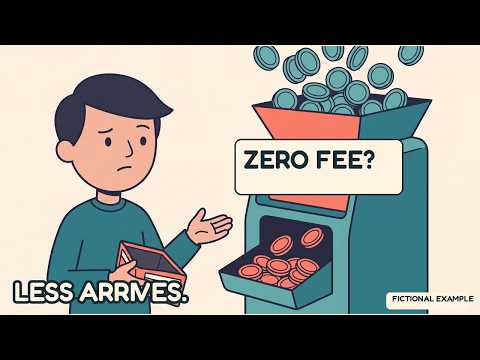
Comparez deux offres de transfert avec le même budget total et vérifiez le montant reçu après conversion et déductions.