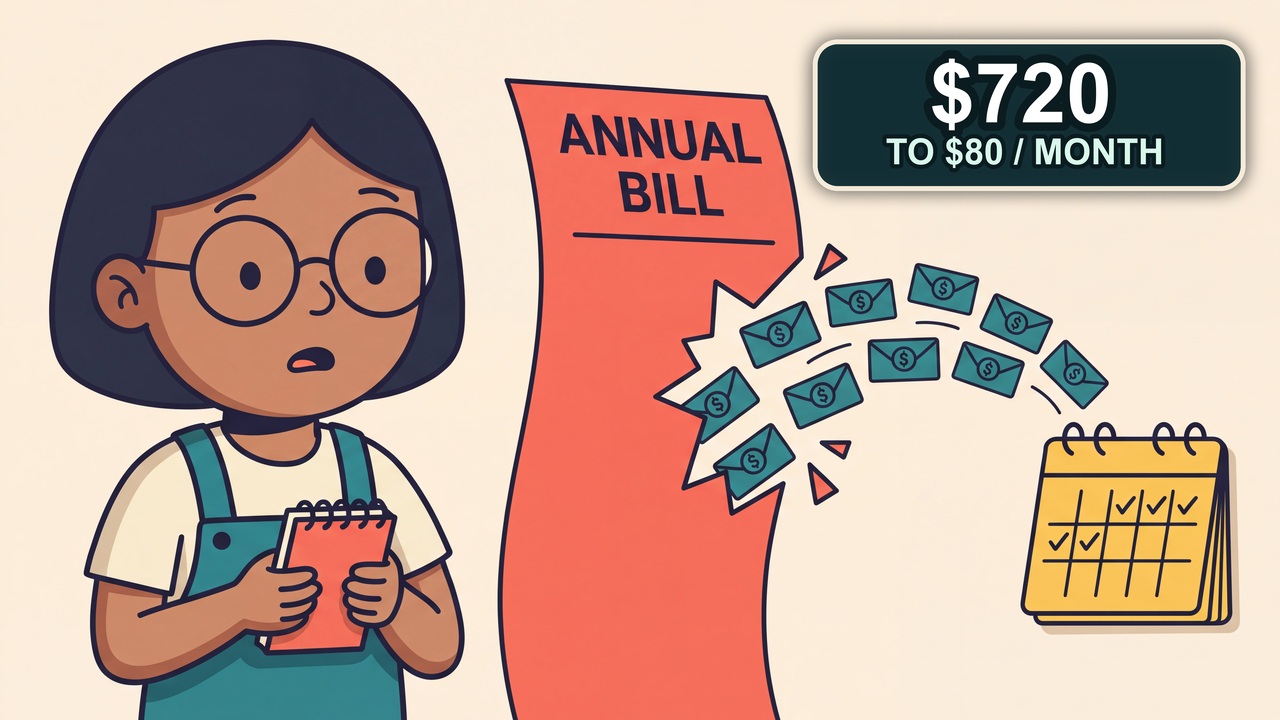
Les factures annuelles sont un problème mensuel (voici la solution)
Transformez une facture annuelle connue en versement mensuel : retirez l’épargne déjà mise de côté, divisez le reste par les mois restants et recalculez si le plan change.
 fiscal
Vidéos sur les finances / Budget et épargne
Comparez budget base zéro, épargne en premier, 50/30/20, budget de trésorerie et enveloppes avec des exemples pratiques.
Vidéo en anglais
Charger ce lecteur envoie des données de connexion et de visionnage à Google/YouTube, qui peut utiliser des cookies ou technologies similaires. Le reste de la page fonctionne sans lui.
Détails sur la confidentialitéFive people. Five budgeting methods. One highly questionable bread maker.
Maya, Leo, Alex, Nina and Ben explore five practical ways to budget: zero-based budgeting, paying yourself first, the 50/30/20 framework, cash-flow budgeting with sinking funds, and cash stuffing or digital envelopes.
Each method comes with a worked example, a practical trick, and a common mistake to avoid. Learn the difference between money left unassigned and money left in your account, how to plan for bills between paydays, and why four weekly allowances do not cover most months.
The goal is a budget you can actually use. Start with real income and expenses, choose a method that solves your problem, and review what changes. Budgeting can reveal a shortfall; it cannot create missing income.
CHAPTERS 00:00 Five people, five budgets 00:31 Start with the real numbers 01:37 Maya: zero-based budgeting 03:02 Leo: pay yourself first 04:21 Alex: the 50/30/20 framework 05:52 Nina: cash flow and sinking funds 07:14 Ben: cash stuffing and envelopes 08:41 When life changes the plan 09:30 Choose your method and start this week
FIRST-WEEK CHALLENGE • Check available money and upcoming income. • Reserve essentials and minimum debt payments. • Choose one budgeting method. • Spend ten minutes reviewing actual spending against the plan.
Which would you try first—and what makes your current budget difficult to stick to?
More Fiscal Nonsense: https://fiscalnonsense.com
RESOURCES Making a budget: https://consumer.gov/your-money/making-budget Budget and cash-flow tools: https://www.consumerfinance.gov/consumer-tools/your-money-your-goals/toolkit/ Starting small with savings: https://www.fdic.gov/consumer-resource-center/2024-01/starting-small-can-lead-big-savings Emergency savings: https://www.consumerfinance.gov/an-essential-guide-to-building-an-emergency-fund/
Original fictional characters. AI-generated character animation and voices, with locally animated teaching graphics and original sound effects. All money amounts and situations are illustrative. General financial education; circumstances and suitable budgets vary.
#Budgeting #CashStuffing #PersonalFinance #FiscalNonsense
Transformez une facture annuelle connue en versement mensuel : retirez l’épargne déjà mise de côté, divisez le reste par les mois restants et recalculez si le plan change.
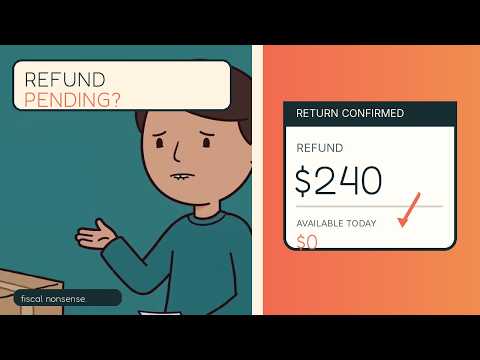
Un retour peut réduire un solde de carte, arriver en espèces ou devenir un avoir. Tant qu’il n’est pas crédité sur le compte qui le reçoit, il ne peut financer aucun autre plan.

Un prix au kilo inférieur peut coûter plus pour la quantité réellement utilisée. Comparez le sachet et le vrac, trouvez le seuil d’égalité et comptez les déplacements supplémentaires.